Case file
Lubbock Lights
August 25, 1951 · Lubbock, Texas
Beginning on August 25, 1951, residents of Lubbock, including three college professors, reported silent blue-green formations crossing the night sky. Carl Hart Jr.'s photographs and the Air Force bird hypothesis made the case a durable Blue Book-era argument over perception and explanation.
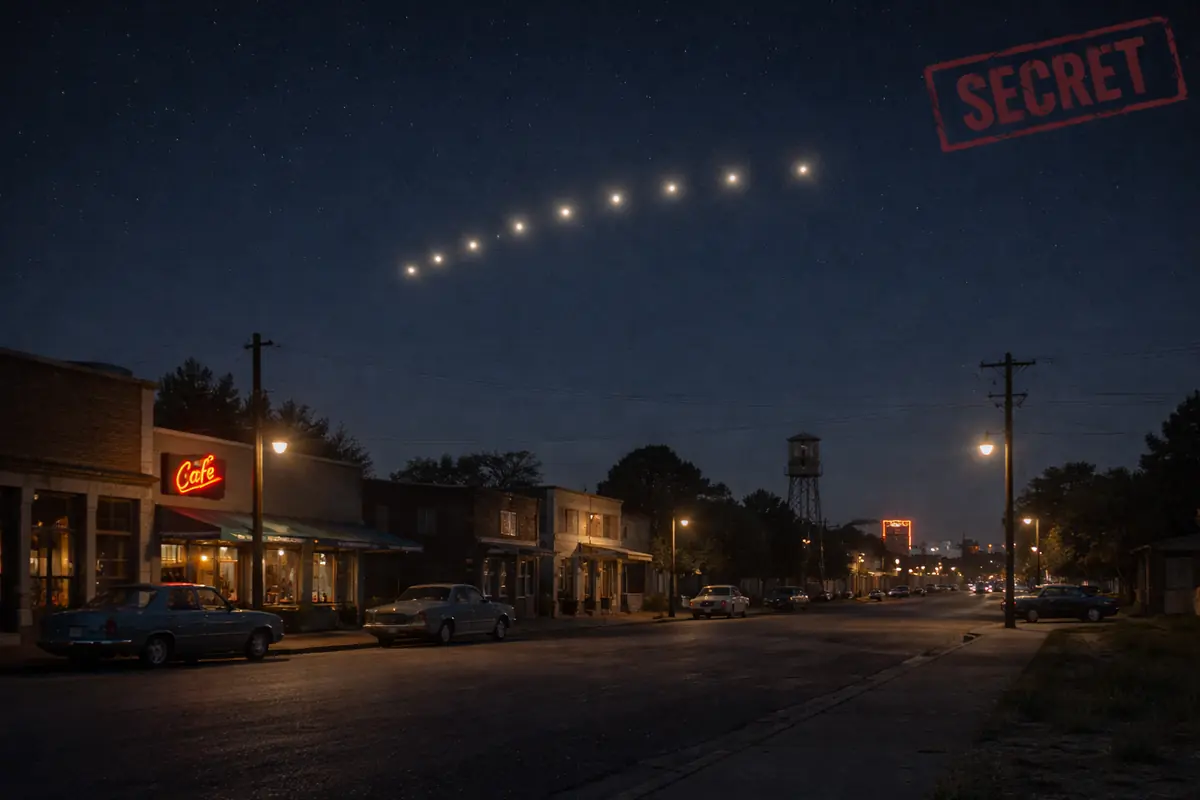
AI-generated illustration used to accompany this article.
Date
August 25, 1951
Location
Lubbock, Texas
Country
United States
Category
Mass sighting
Status
Partially explained
Credibility
74/100
Notoriety
87/100
Coordinates
33.578° N · 101.855° W
Reading note
Why this file still matters
Lubbock stayed important because repeated light formations were seen by respected witnesses and then photographed.
Timeline anchors
03
Distinct hypotheses
03
Sources used
03
Long summary
Narrative
A structured reading of the file, attentive to context, witnesses and the public circulation of the case.
The Lubbock case begins with a scene often retold because it seems almost ordinary at first. On August 25, 1951, three professors from Texas Technological College were standing outside when a silent formation of blue-green lights passed overhead. The sighting was brief, but the identity of the witnesses gave the file immediate weight: educated adults describing something they did not recognize.
In the nights that followed, more reports came in from around the city and surrounding area. Carl Hart Jr., a student, eventually photographed one of the formations, and that moved the case beyond local testimony into the national conversation. As with many important 1950s cases, the story then split into three layers at once: witness memory, circulation of images and the military search for a conventional explanation.
The explanation most often associated with the file, repeated by Edward J. Ruppelt, involved plovers or other migratory birds reflecting the new city lights. That theory resolves part of the puzzle, but it never persuaded everyone, especially in light of the apparent regularity of some formations and the confidence of key witnesses. Lubbock remains central because it shows how a plausible mundane answer can coexist with a file that still feels historically unsettled.
Timeline
Sequence of events
The steps retained here prioritize historical markers and the turning points in the public narrative.
Professors report the first formation
Three Texas Technological College professors see blue-green lights overhead on August 25, 1951.
More sightings and a photo follow
Residents keep reporting the lights and Carl Hart Jr. photographs one formation.
The birds explanation enters the file
The Air Force suggests migratory birds reflecting city lights, without closing the debate.
Hypotheses
Interpretive frameworks
The hypotheses remain distinct from the factual narrative. They organize possible readings without erasing the blind spots.
Likelihood high
Migratory birds reflecting city lights
A flock of birds may have reflected new lighting and looked like a formation.
Likelihood medium
Collective anomalous sighting
The repeated formations may have been a real aerial phenomenon.
Likelihood low
Separate observations later fused together
Several different events may have been merged into a single story.
Sources
Documents and references
Historical sources, reports, archives and books used to structure this file.
Project Blue Book UFO case files
1951National Archives and Records Administration
Project Blue Book file preserving the Air Force review of the Lubbock lights reports.
Open sourceThe Report on Unidentified Flying Objects, Chapter Eight
1956Edward J. Ruppelt
Later commentary on the witness group and the role their status played in the case's credibility.
Open sourceHave We Visitors From Outer Space?
1952LIFE Magazine
Discussion of the photographs alongside the bird-reflection hypothesis most often used to explain them.
Open sourceRelated cases
Related cases
Related cases connected by country, category or historical significance.
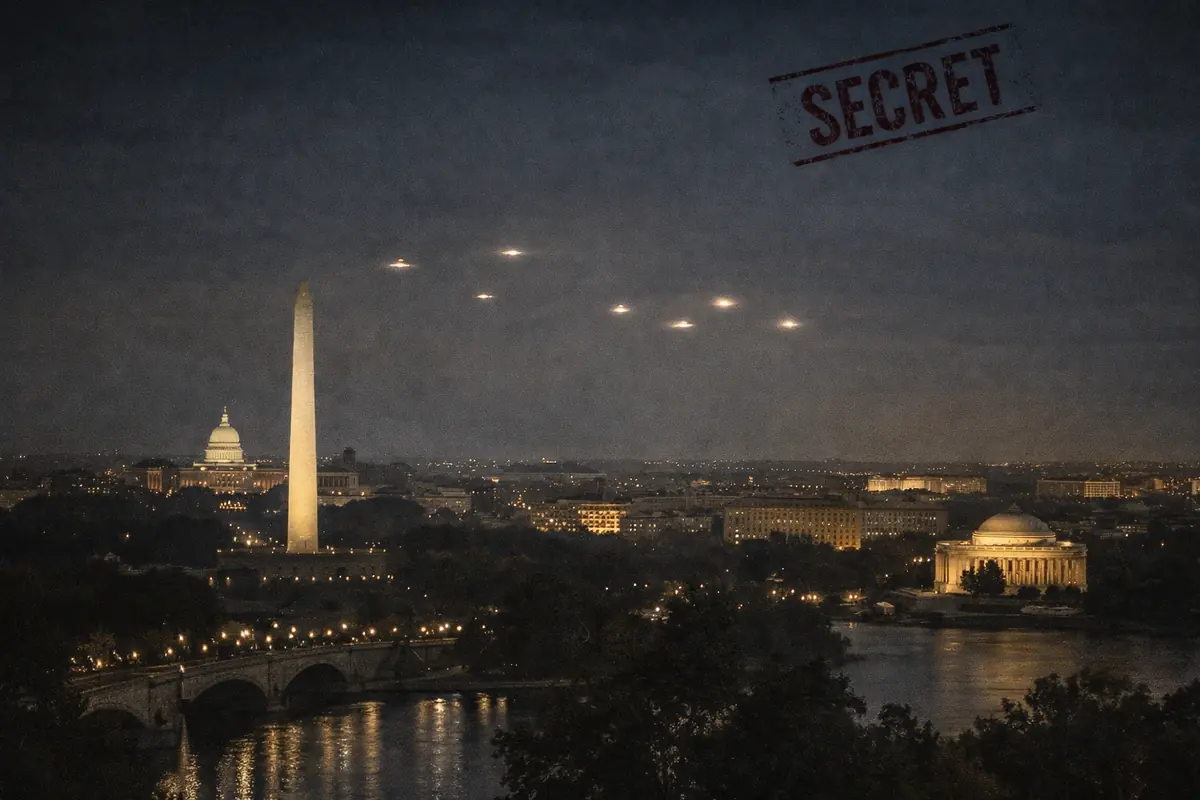
Washington D.C. Radar-Visual Wave
July 19, 1952 · United States
Washington 1952 put UFOs over the US capital and forced the Air Force to answer in public.
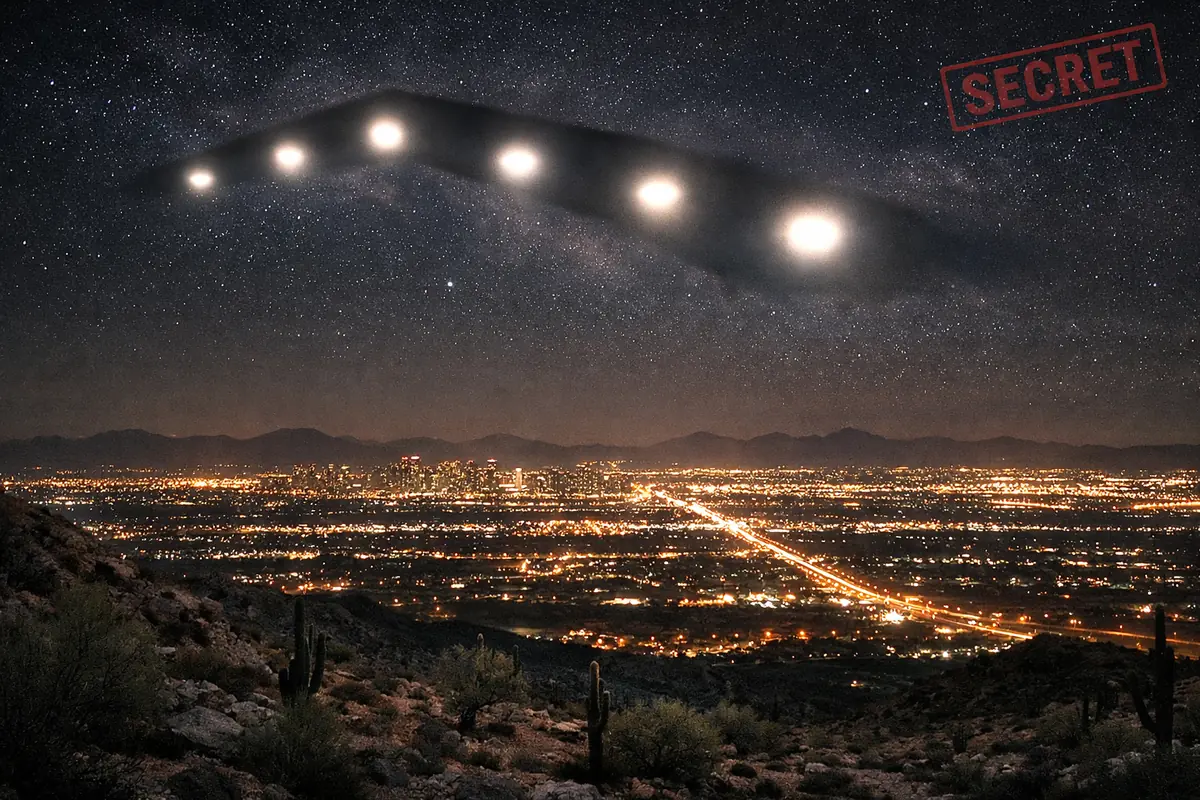
Phoenix Lights
March 13, 1997 · United States
Phoenix Lights lasted because one Arizona night seems to contain both a statewide transit and the famous stationary lights over the city.
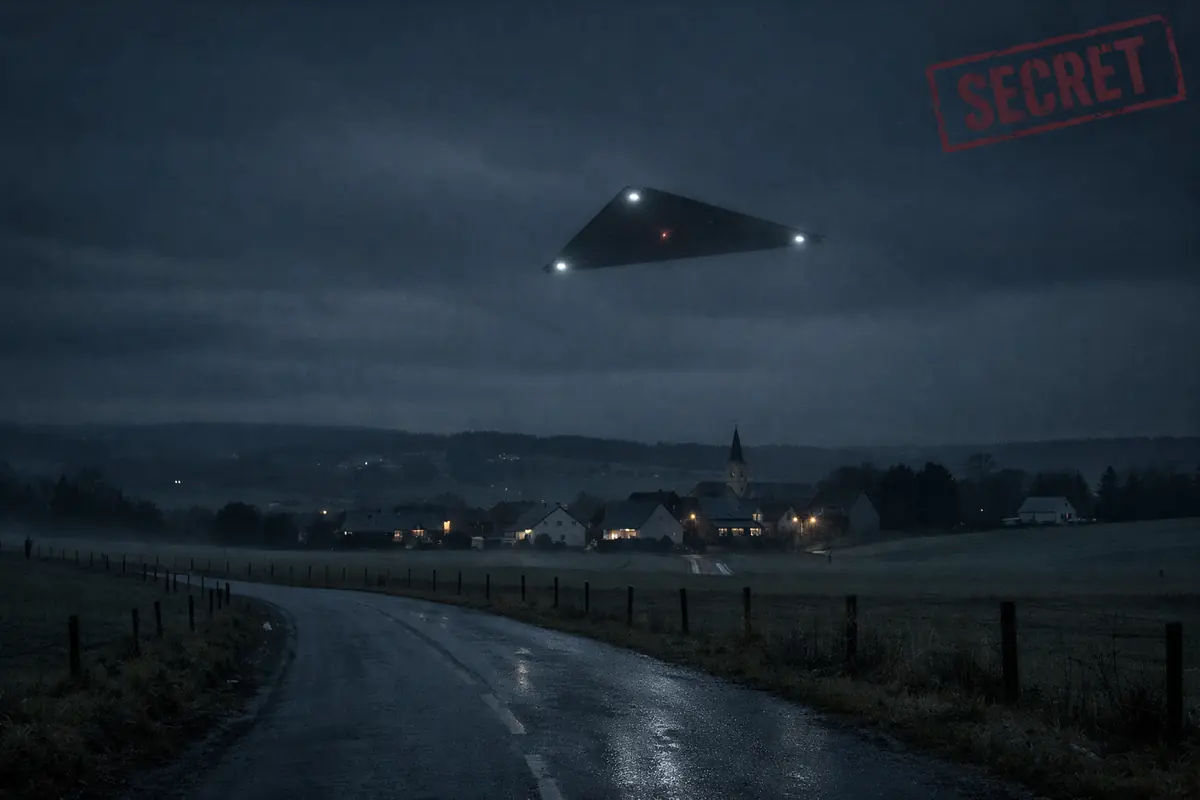
Belgian UFO Wave
November 29, 1989 · Belgium
The Belgian wave is remembered as the moment triangular sightings became a national file rather than a string of local stories.