Timeline
Reading by decade
Each period reveals a different relation to the phenomenon, between Cold War tension, mass media and increasingly instrumented narratives.
1990s
1990s
2 case(s)
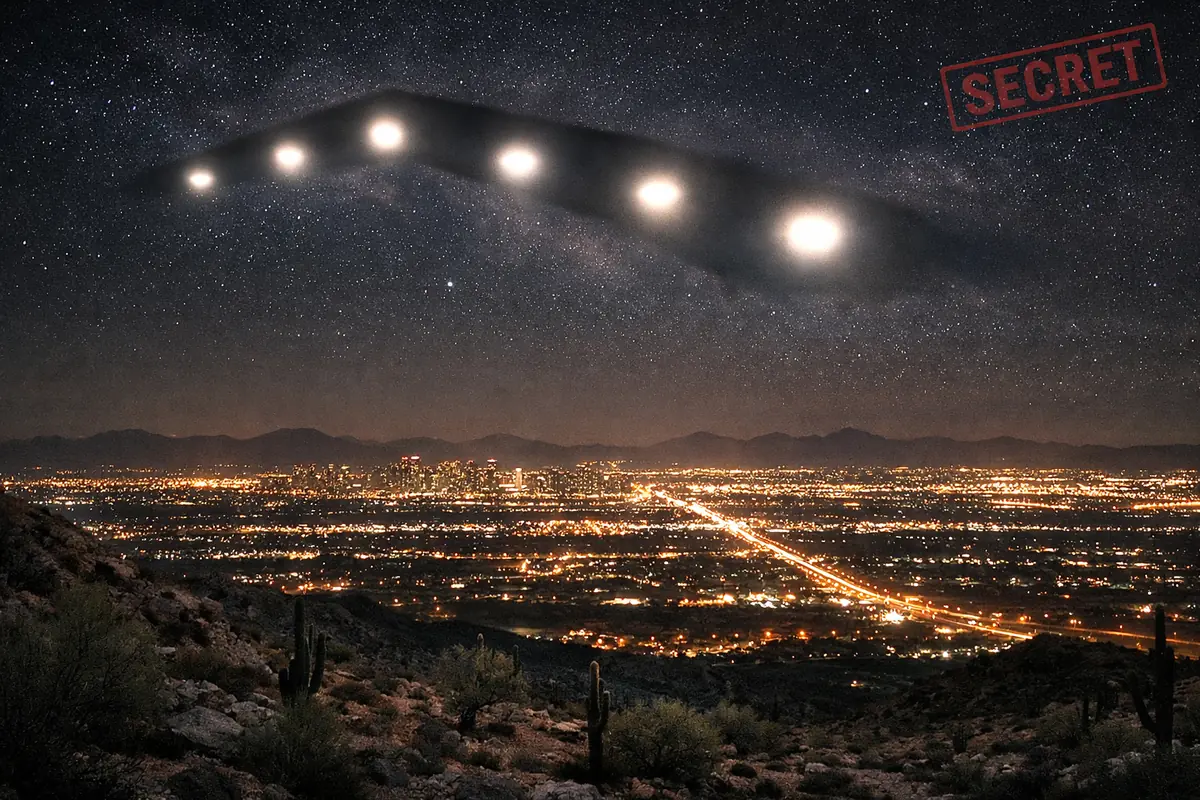
March 13, 1997
Phoenix Lights
United States
Phoenix Lights lasted because one Arizona night seems to contain both a statewide transit and the famous stationary lights over the city.
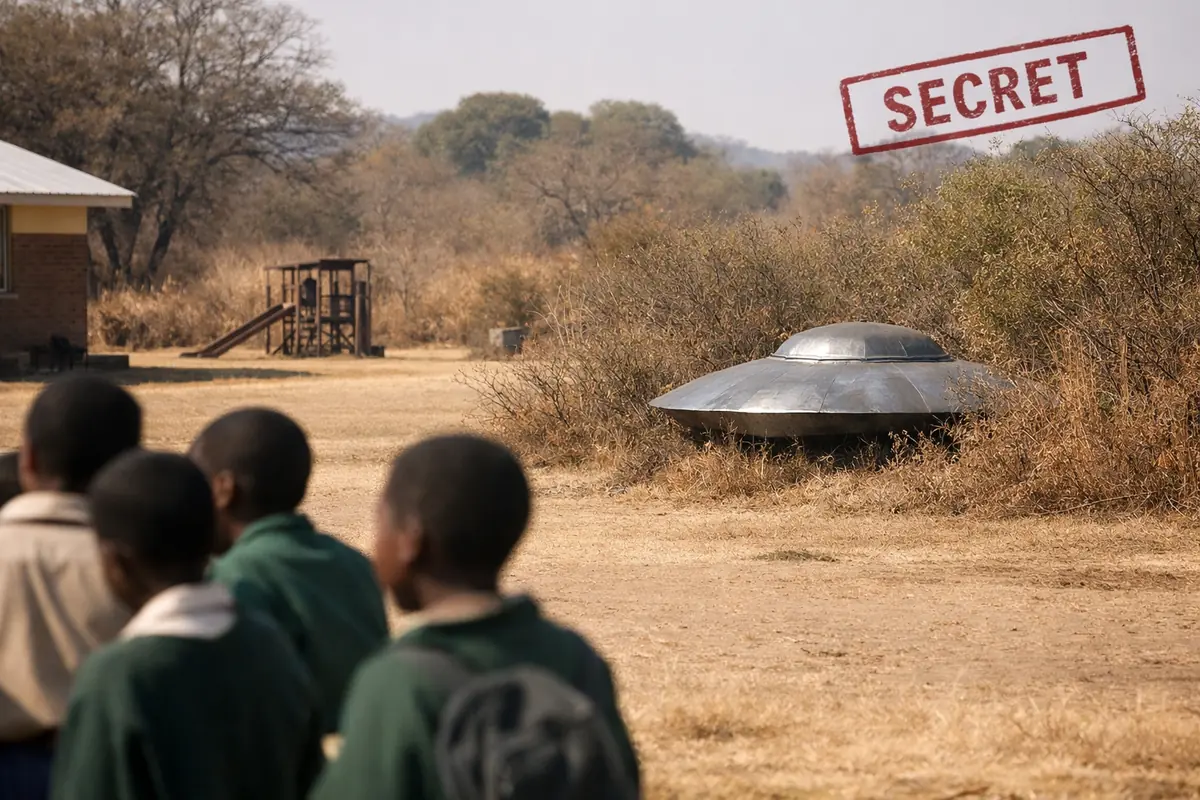
September 16, 1994
Ariel School 1994
Zimbabwe
Ariel School became a global reference because dozens of children described the same playground disturbance within hours of it happening.
1980s
1980s
4 case(s)
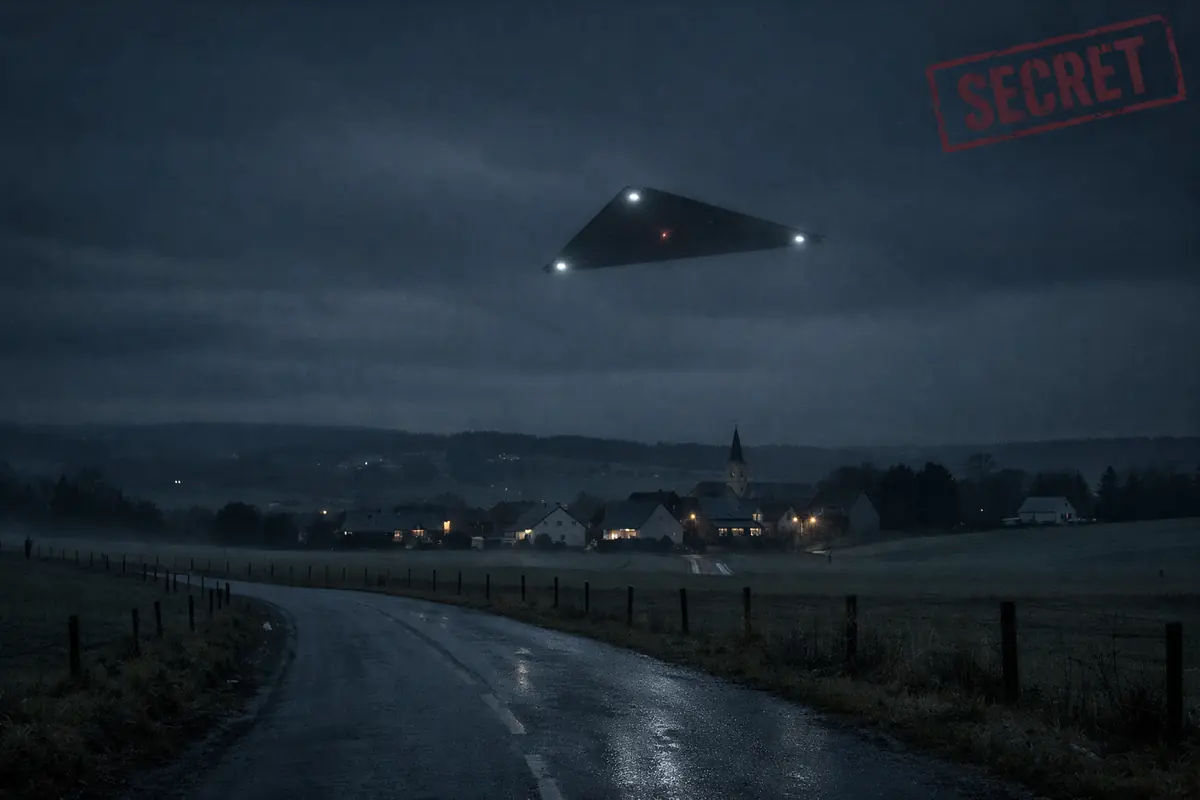
November 29, 1989
Belgian UFO Wave
Belgium
The Belgian wave is remembered as the moment triangular sightings became a national file rather than a string of local stories.
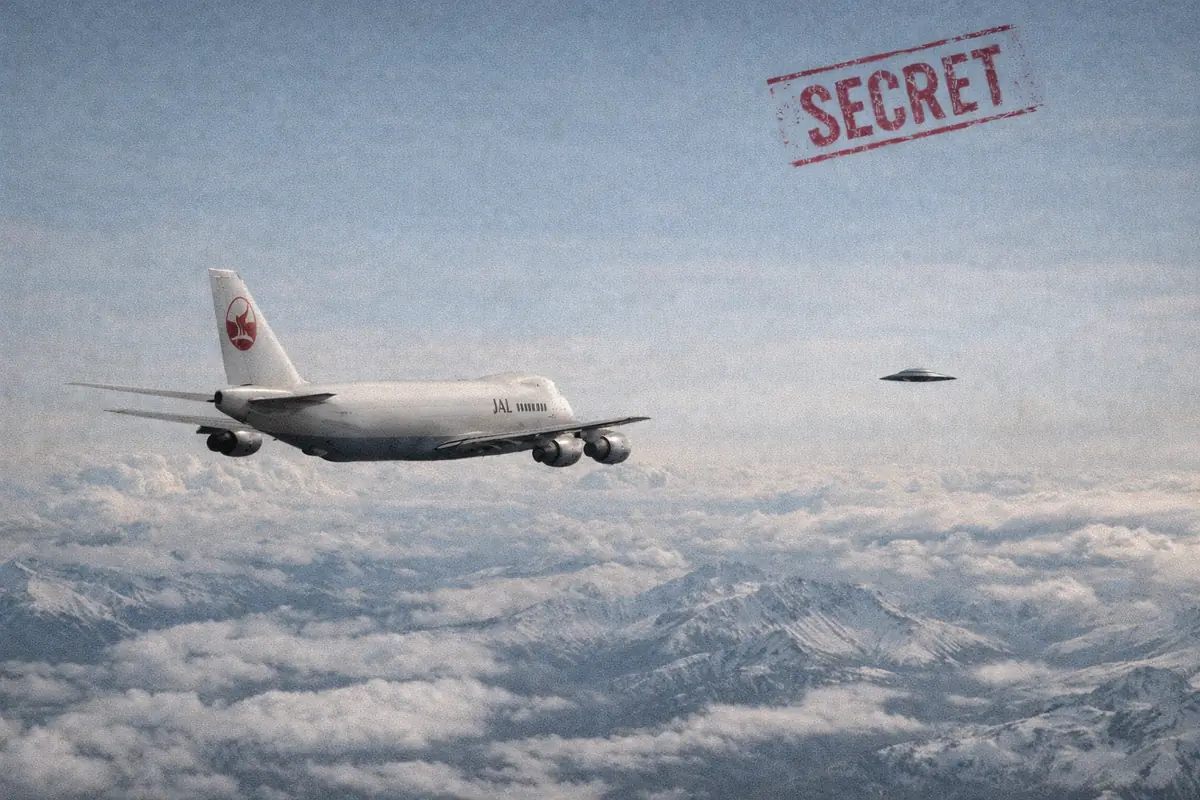
November 17, 1986
Japan Airlines Flight 1628
United States
JAL 1628 stands out because a cargo crew described a long aerial encounter inside a fully documented civil-aviation setting.
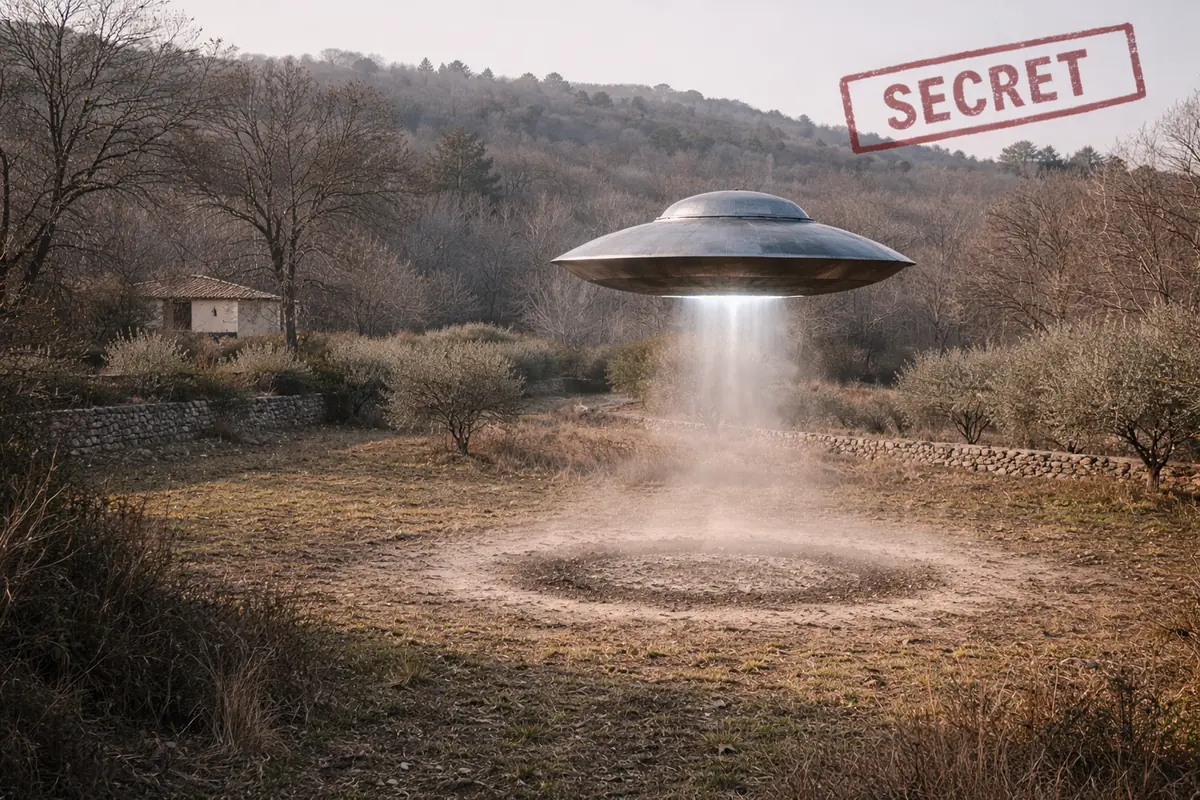
January 8, 1981
Trans-en-Provence Case
France
Trans-en-Provence became a major French case because a very short sighting generated a long laboratory trail.
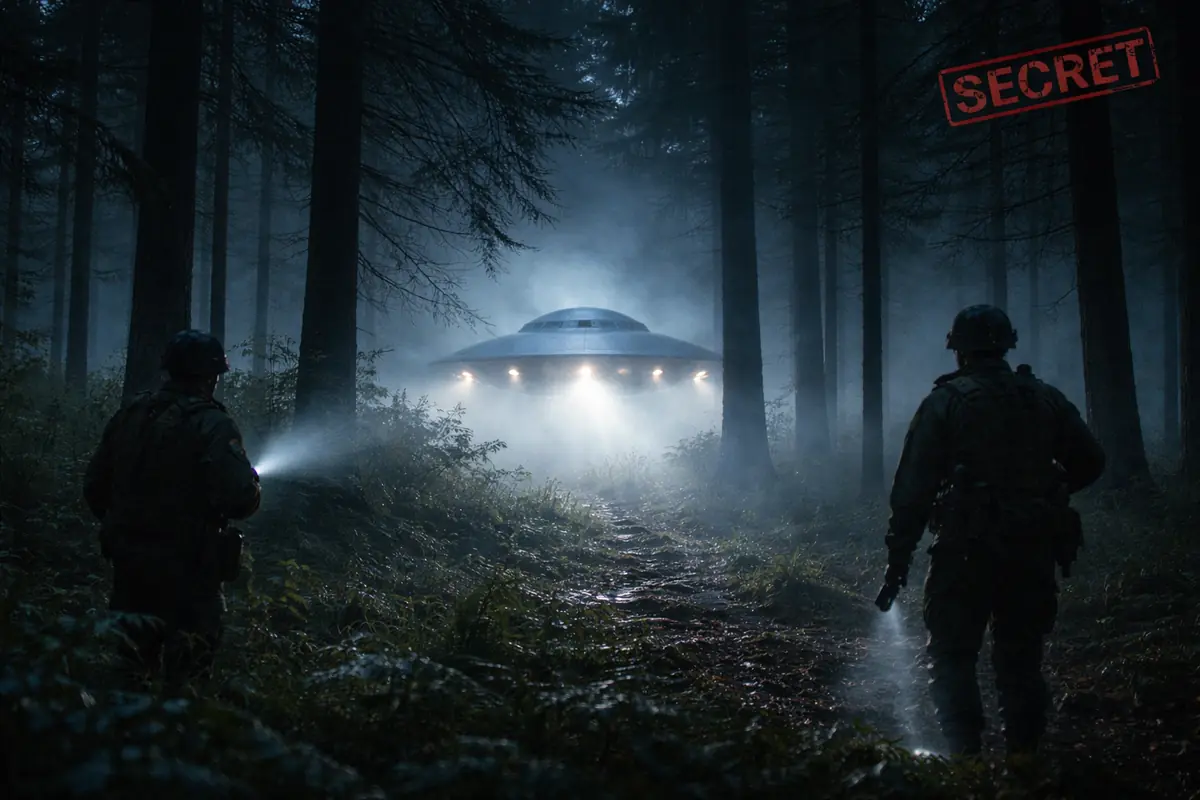
December 26, 1980
Rendlesham Forest
United Kingdom
Rendlesham stayed alive because it was not one sighting but a chain of military nights, memos and competing explanations.
1970s
1970s
2 case(s)
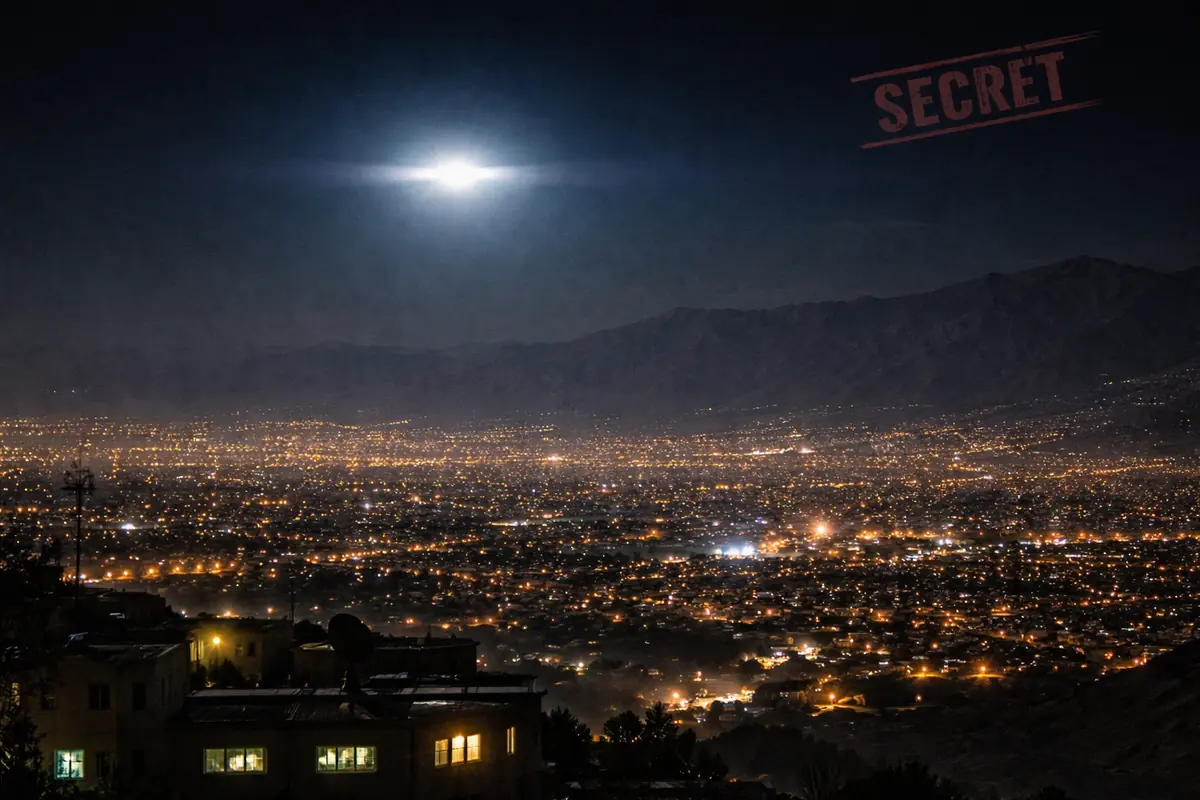
September 19, 1976
Tehran 1976
Iran
Tehran 1976 became a military classic because civilian reports escalated into fighter intercepts and a diplomatic record.

October 11, 1973
Pascagoula 1973
United States
The file still matters because it rests on two named witnesses, a famous recording and a remarkably long media afterlife.
1960s
1960s
8 case(s)
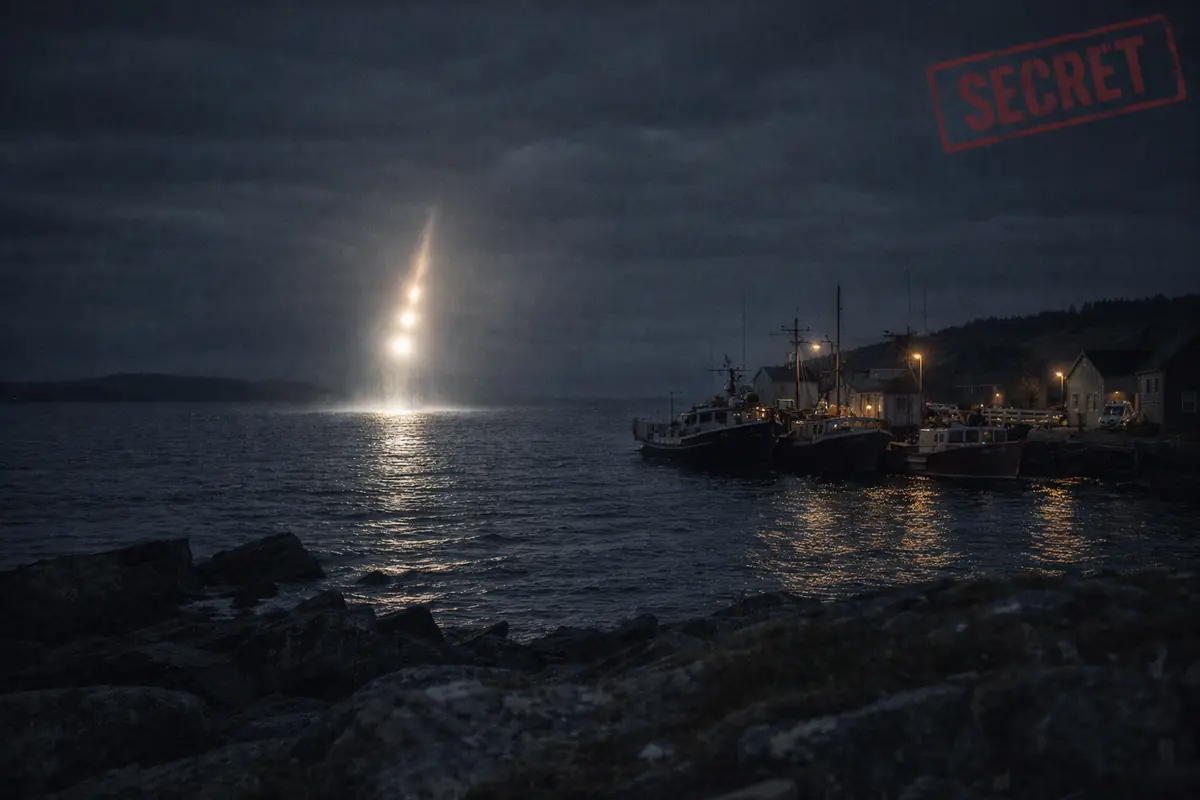
October 4, 1967
Shag Harbour Incident
Canada
Shag Harbour is unusual because witnesses first thought they were reporting an aircraft crash, not a UFO.
August 29, 1967
Cussac 1967
France
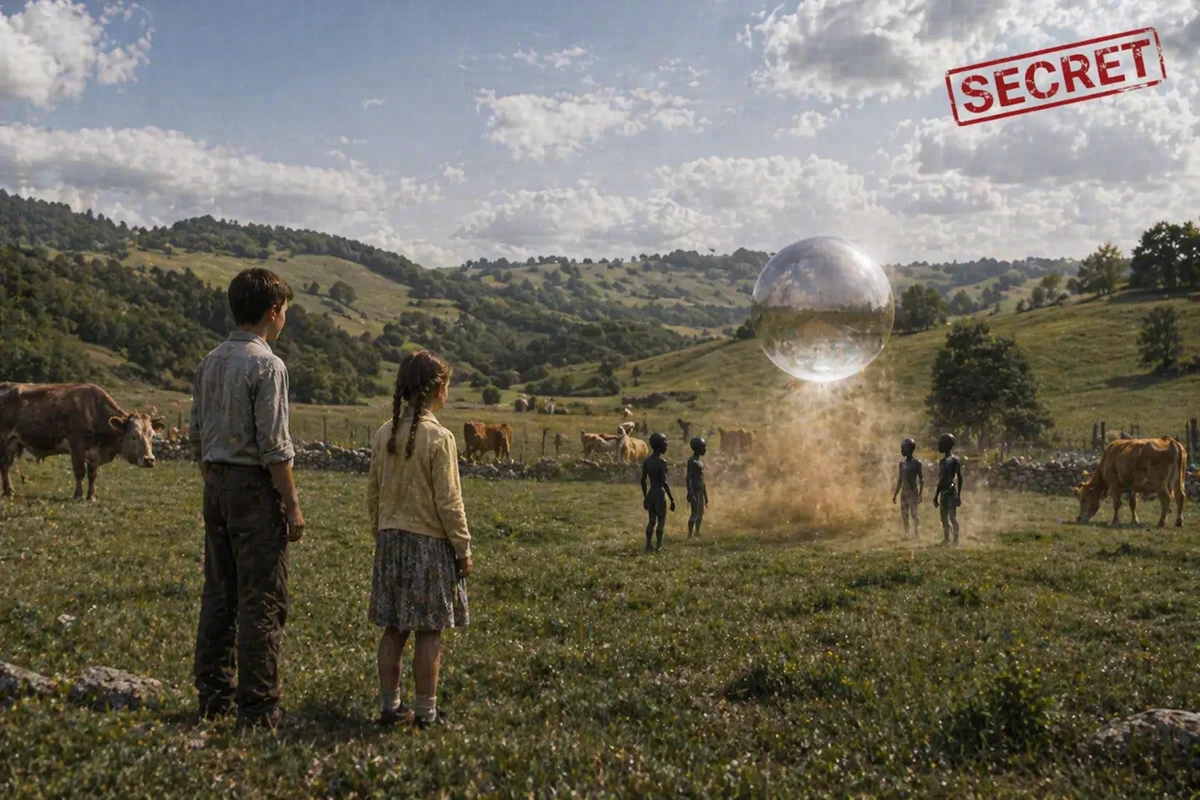
Cussac remains a French classic because two children reported a compact scene involving small beings, a luminous sphere and later official review.
May 20, 1967
Falcon Lake Incident
Canada
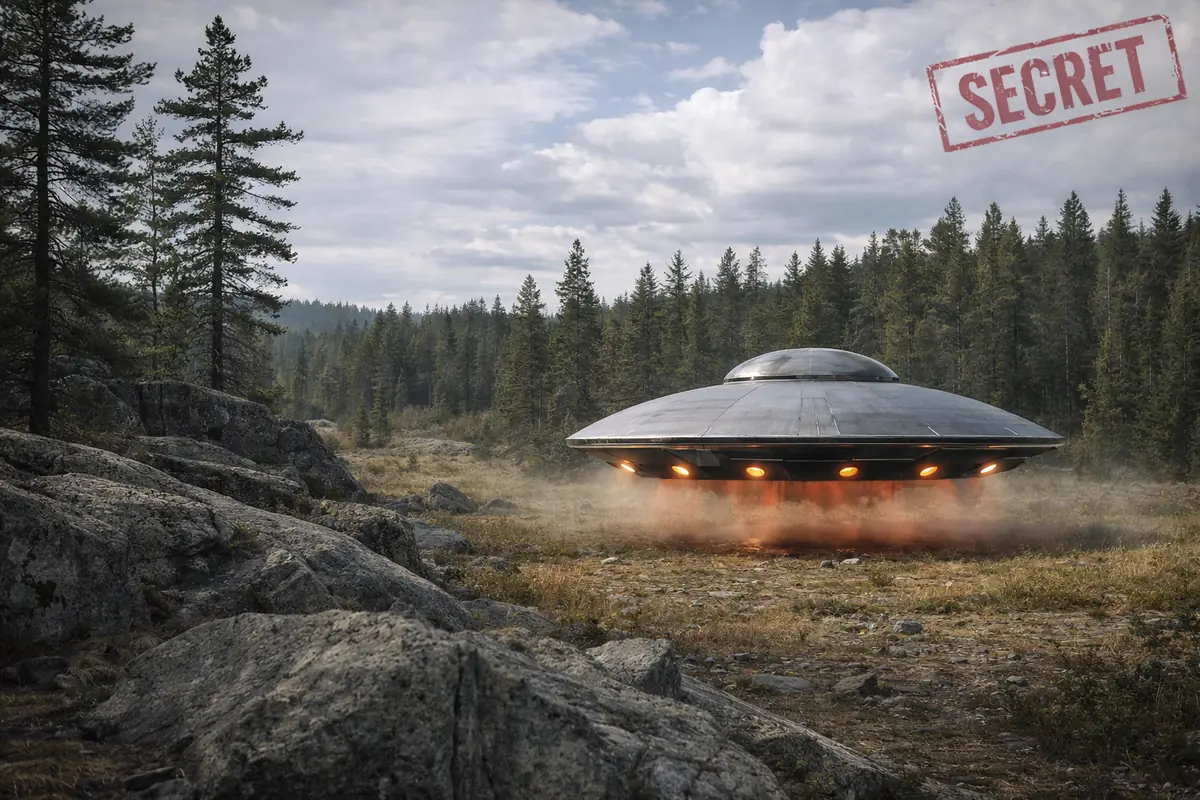
Falcon Lake remains Canada's most famous physical close encounter because the witness's story was followed by illness, marks and federal paperwork.
April 6, 1966
Westall 1966
Australia
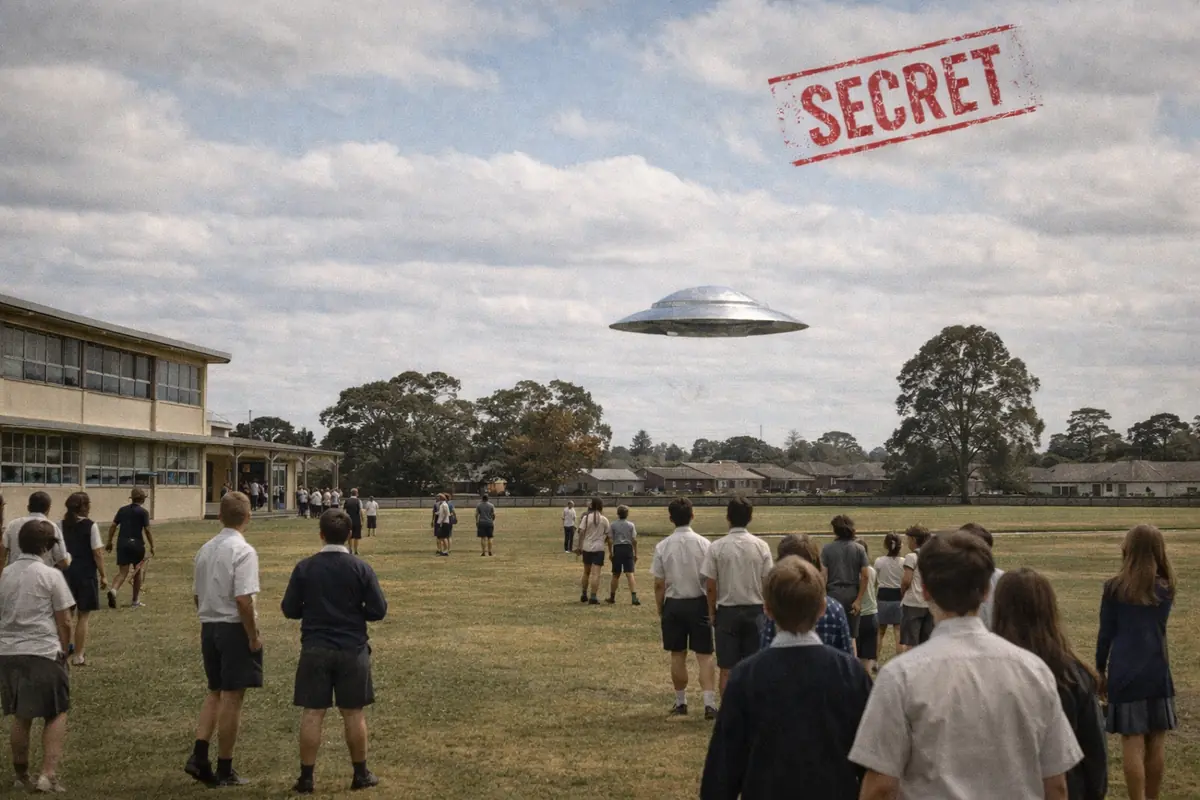
Westall remains Australia's best known school sighting because so many witnesses carried the same memory forward.
September 3, 1965
Exeter Incident
United States
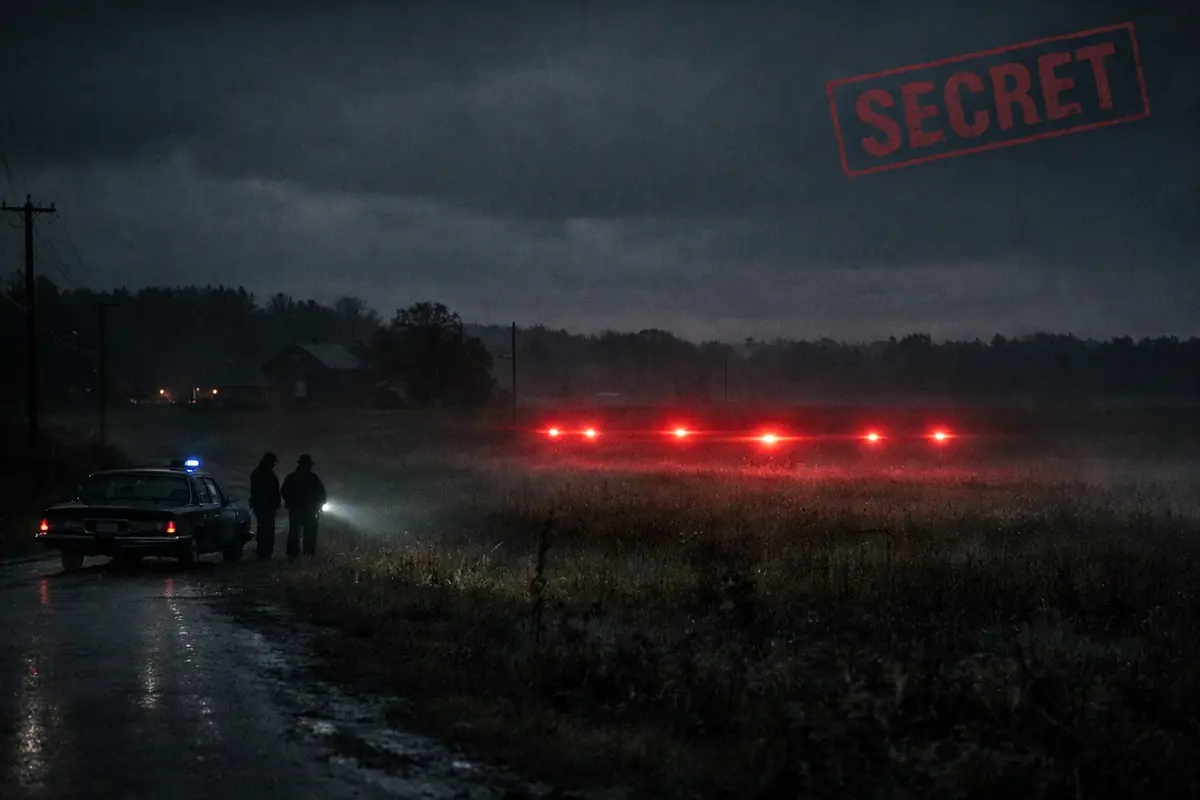
Exeter became a classic when a teenager's alarm was echoed by two police officers on the same road.
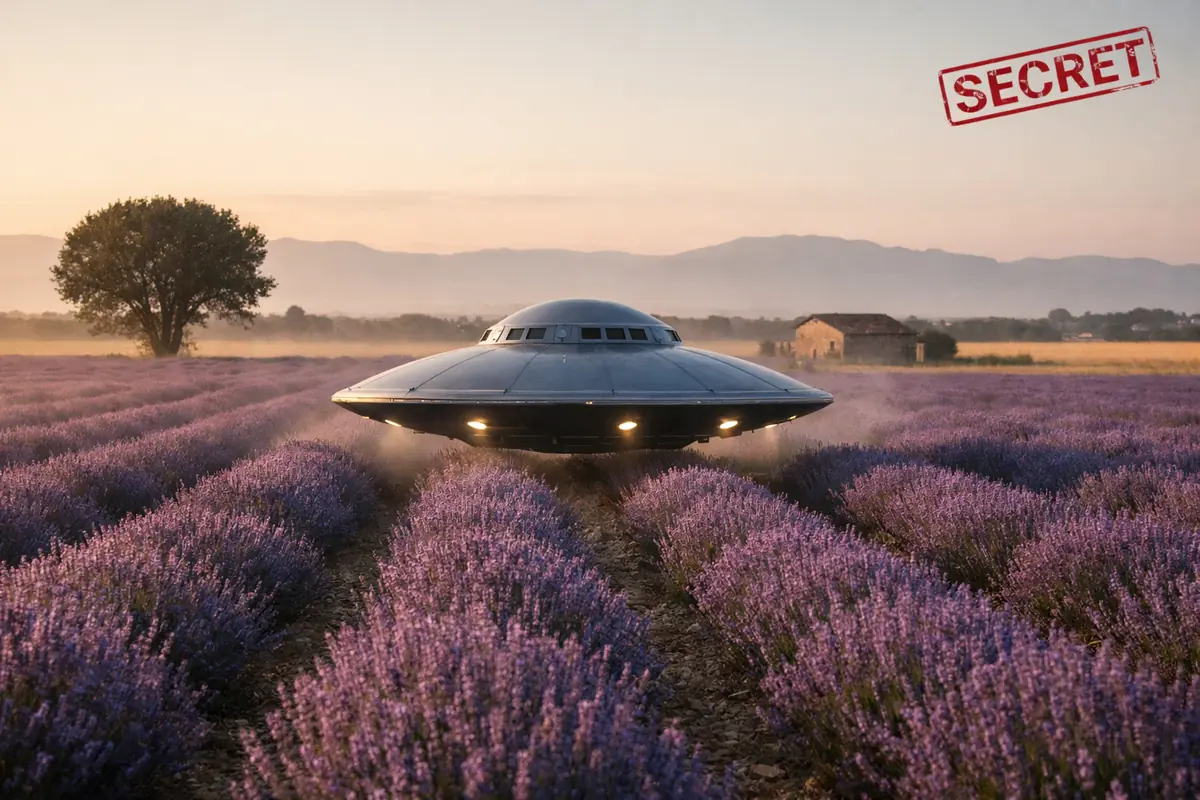
July 1, 1965
Valensole 1965
France
Valensole became a French classic because an early-morning farm report stayed simple, stable and hard to dismiss outright.
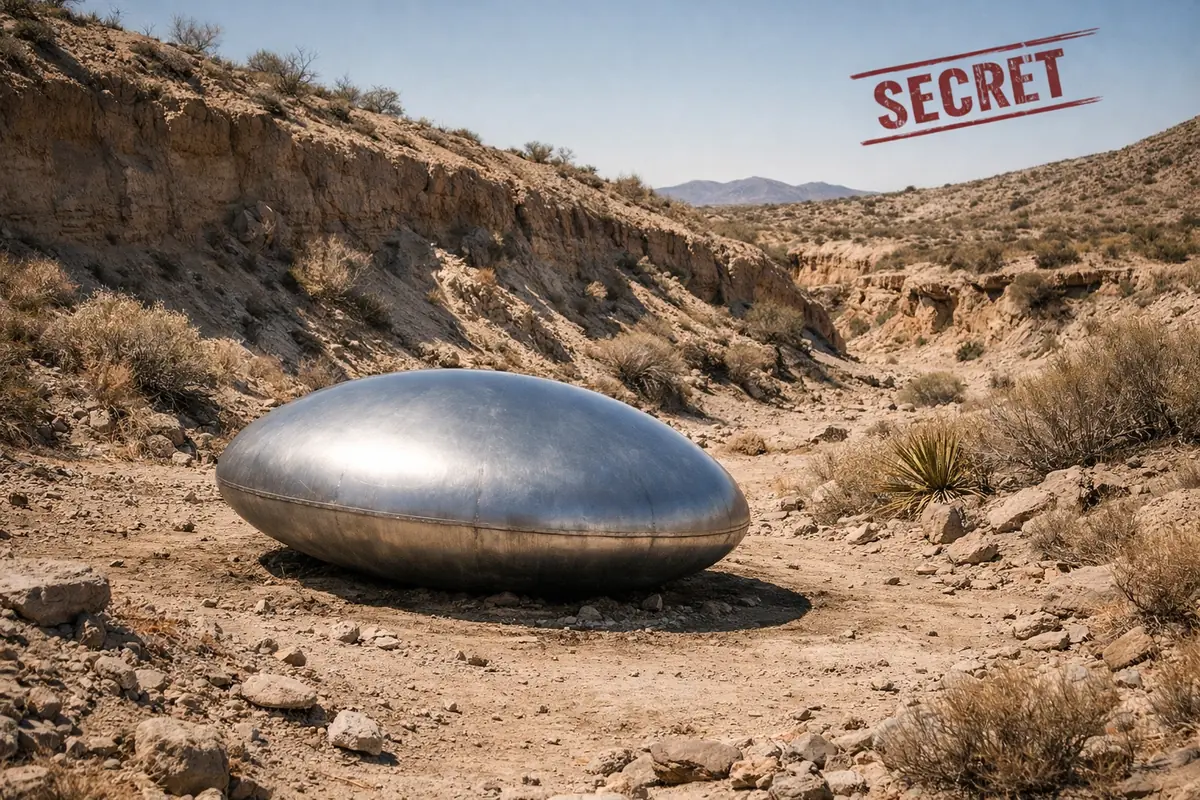
April 24, 1964
Socorro / Lonnie Zamora
United States
Socorro endured because a police officer's close-range report was followed almost immediately by checks on the ground.
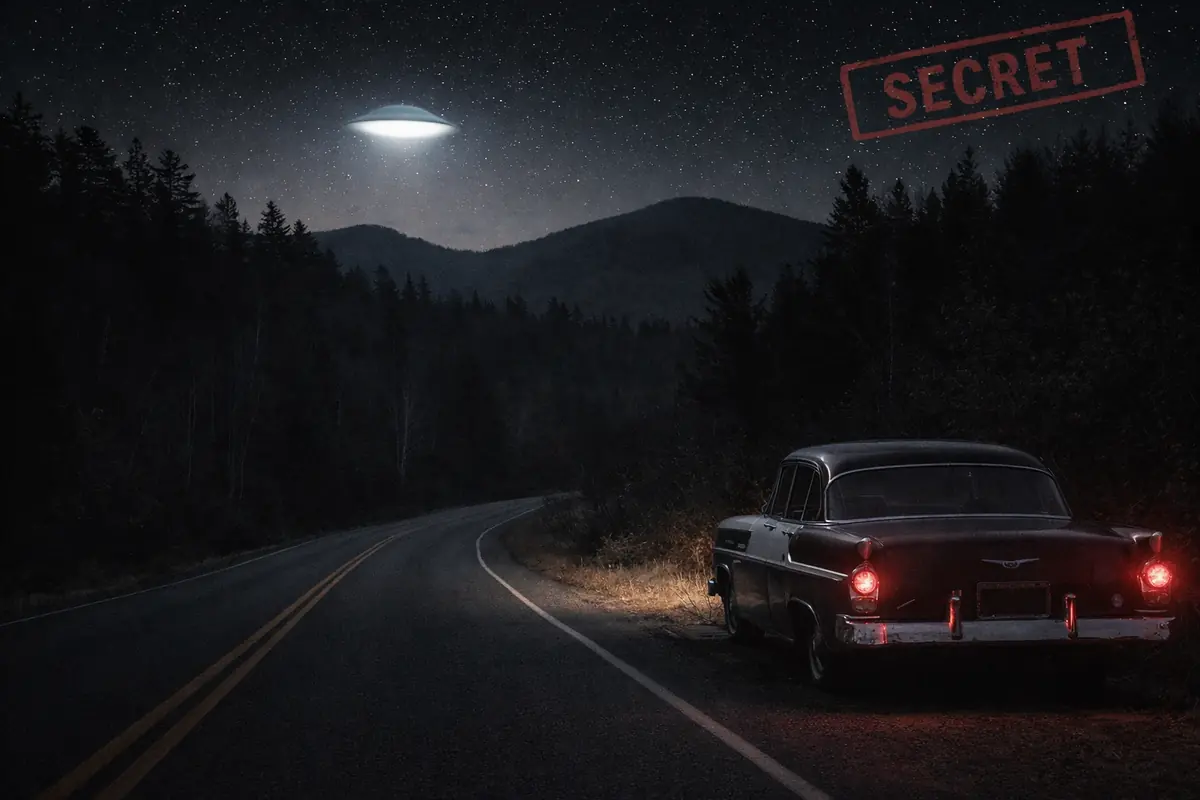
September 20, 1961
Betty and Barney Hill Incident
United States
The Hill case mattered because it turned a night drive and a missing-time story into the modern template for abduction reports.
1950s
1950s
7 case(s)
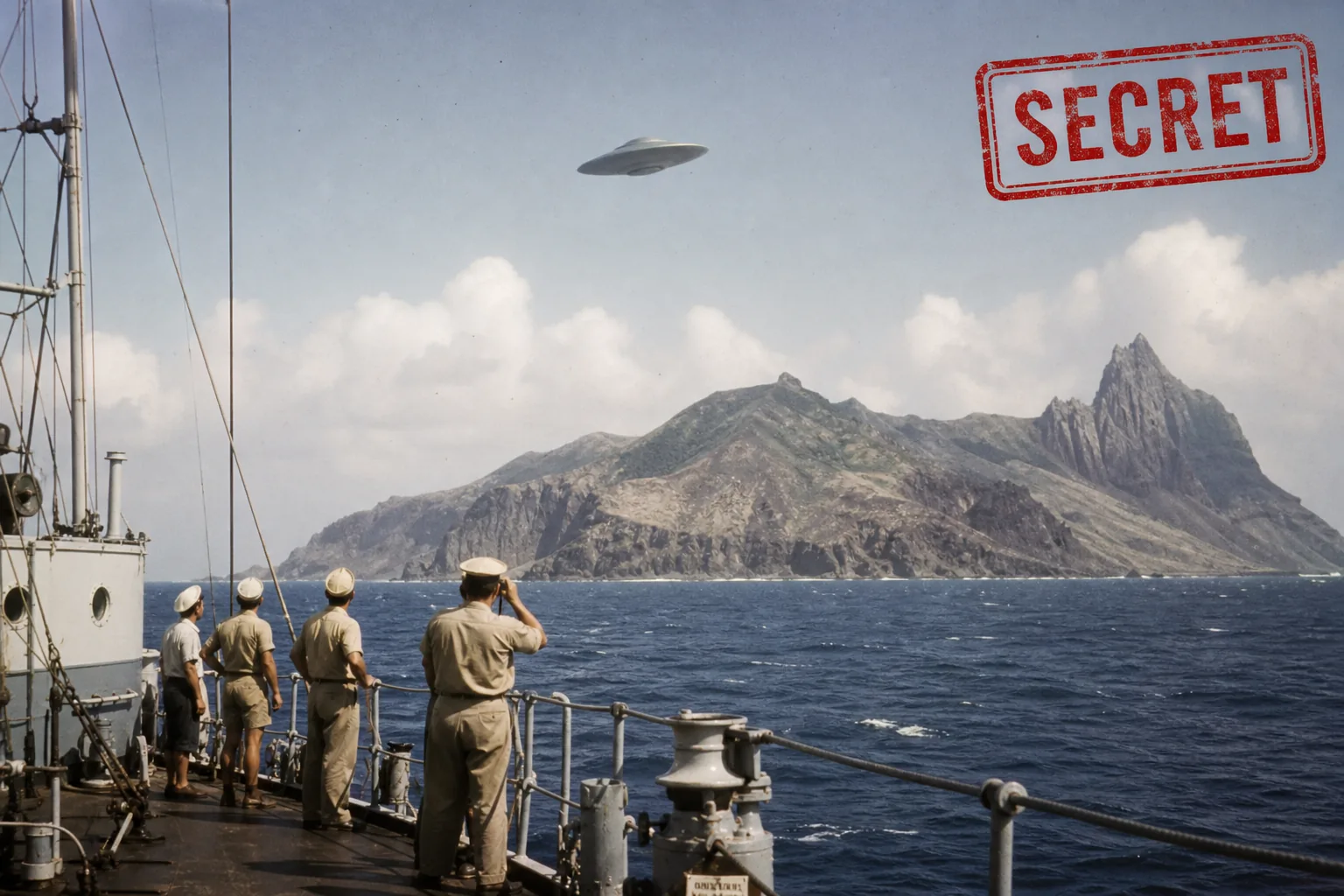
January 16, 1958
Trindade Island 1958
Brazil
Trindade remains a major photographic file because it links a Brazilian Navy ship, images attributed to Almiro Baraúna and a lasting controversy over authenticity.
November 2, 1957
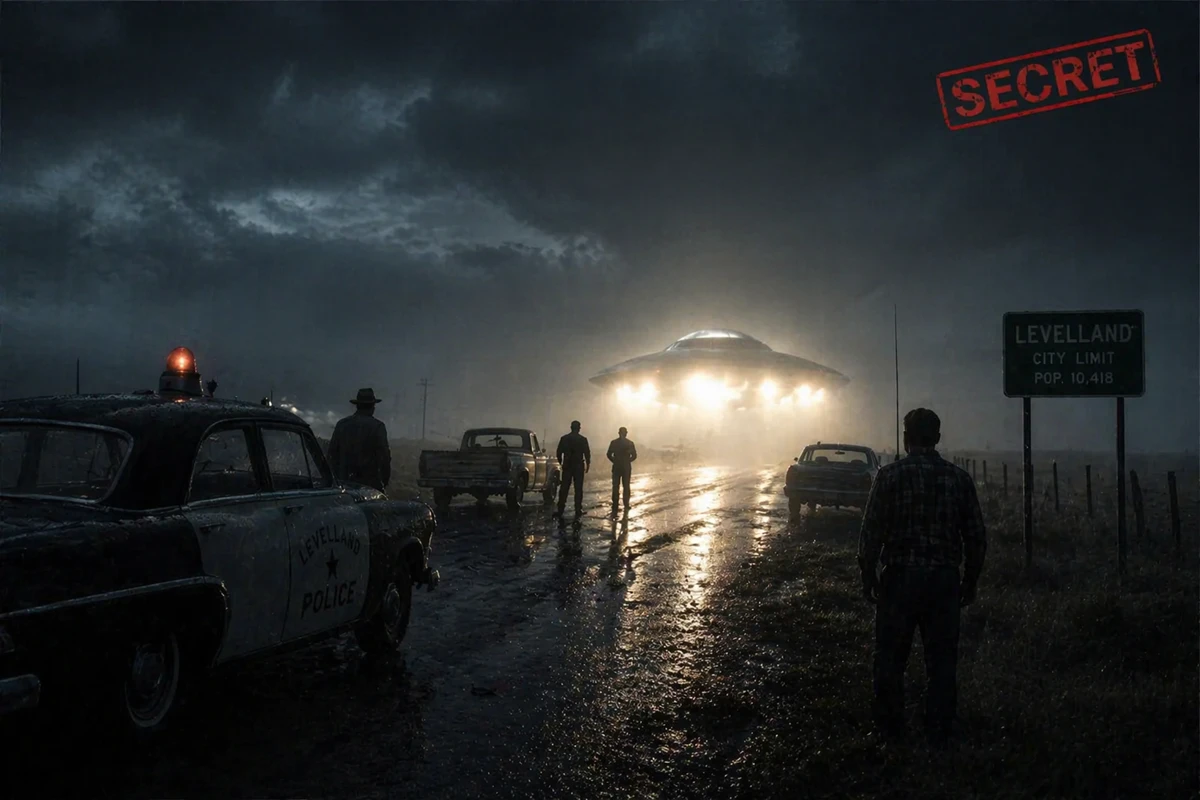
Levelland 1957
United States
The case survives through accumulation: the same kind of engine failures, the same time window, the same rural roads and the same repeated calls.
August 13, 1956
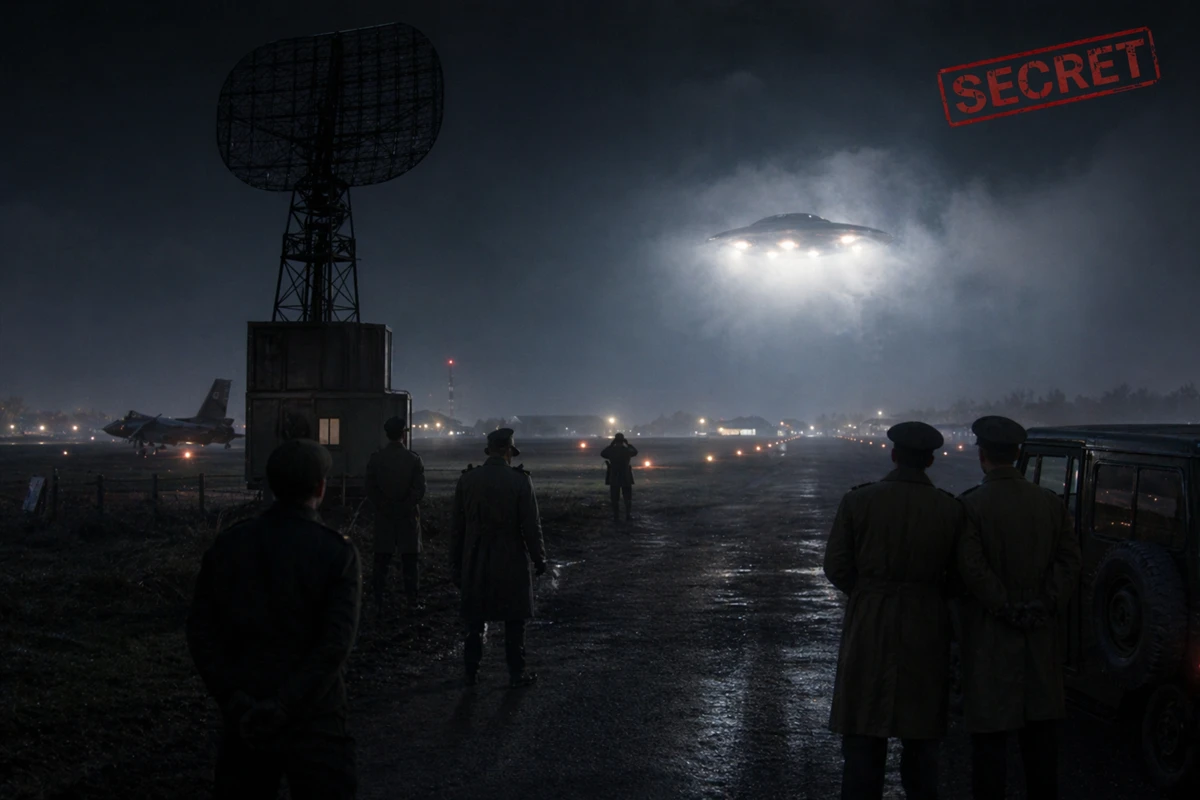
Lakenheath-Bentwaters
United Kingdom
The file remains central because it combines military witnesses, technical records and versions that never fully settle into one account.
September 10, 1954
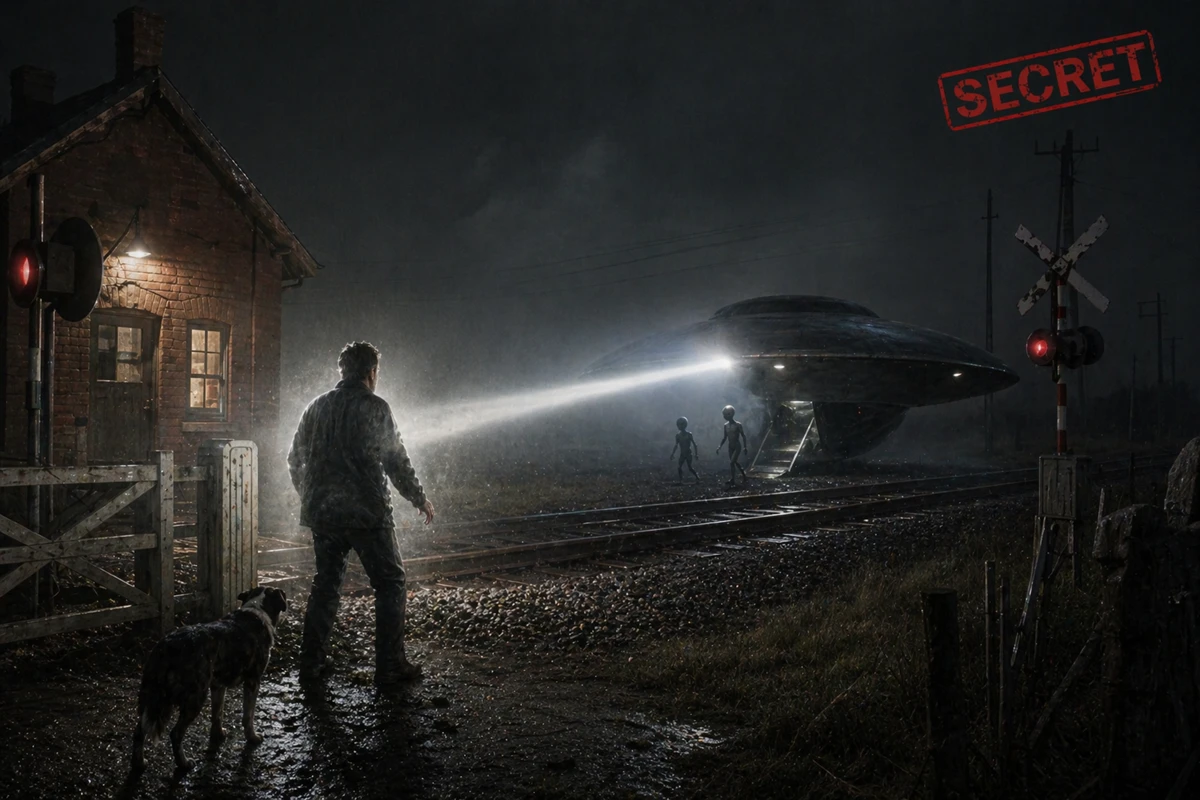
Quarouble 1954
France
Quarouble is a major French 1954 wave case, but its initial report has to be separated from later embellishment.
July 19, 1952
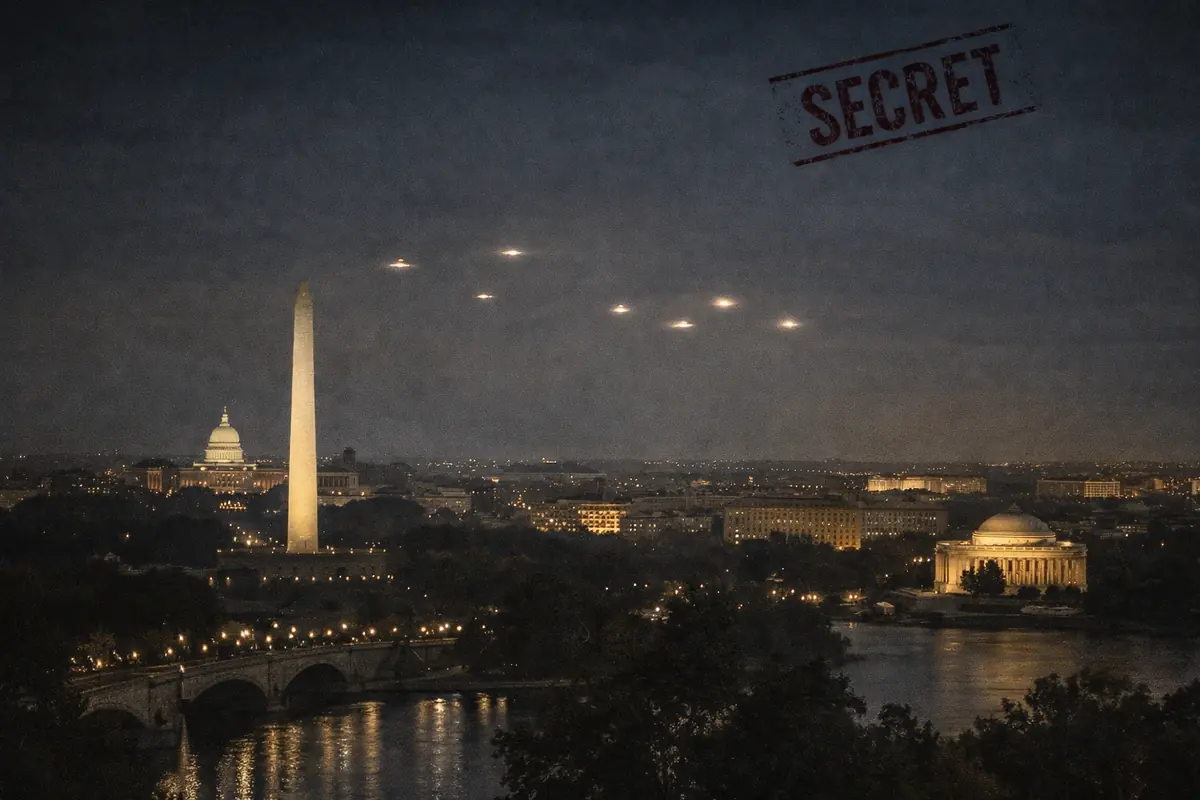
Washington D.C. Radar-Visual Wave
United States
Washington 1952 put UFOs over the US capital and forced the Air Force to answer in public.
August 25, 1951
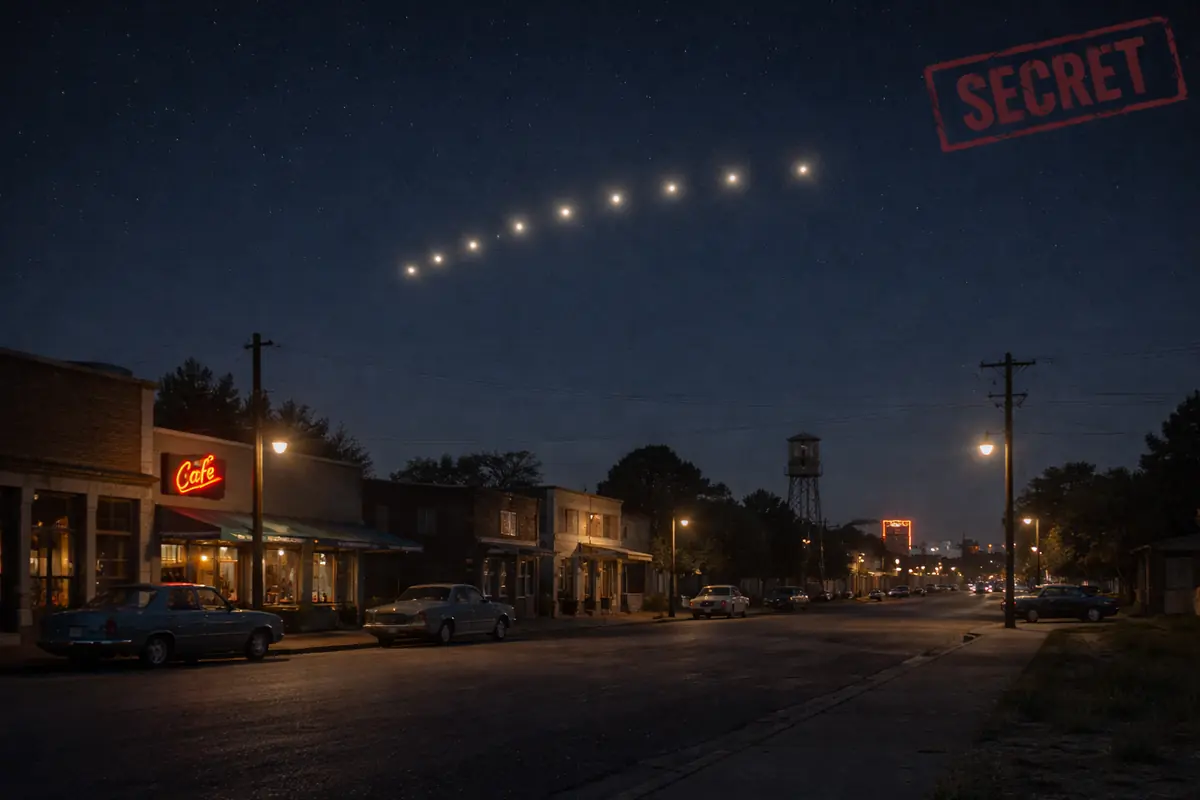
Lubbock Lights
United States
Lubbock stayed important because repeated light formations were seen by respected witnesses and then photographed.
May 11, 1950
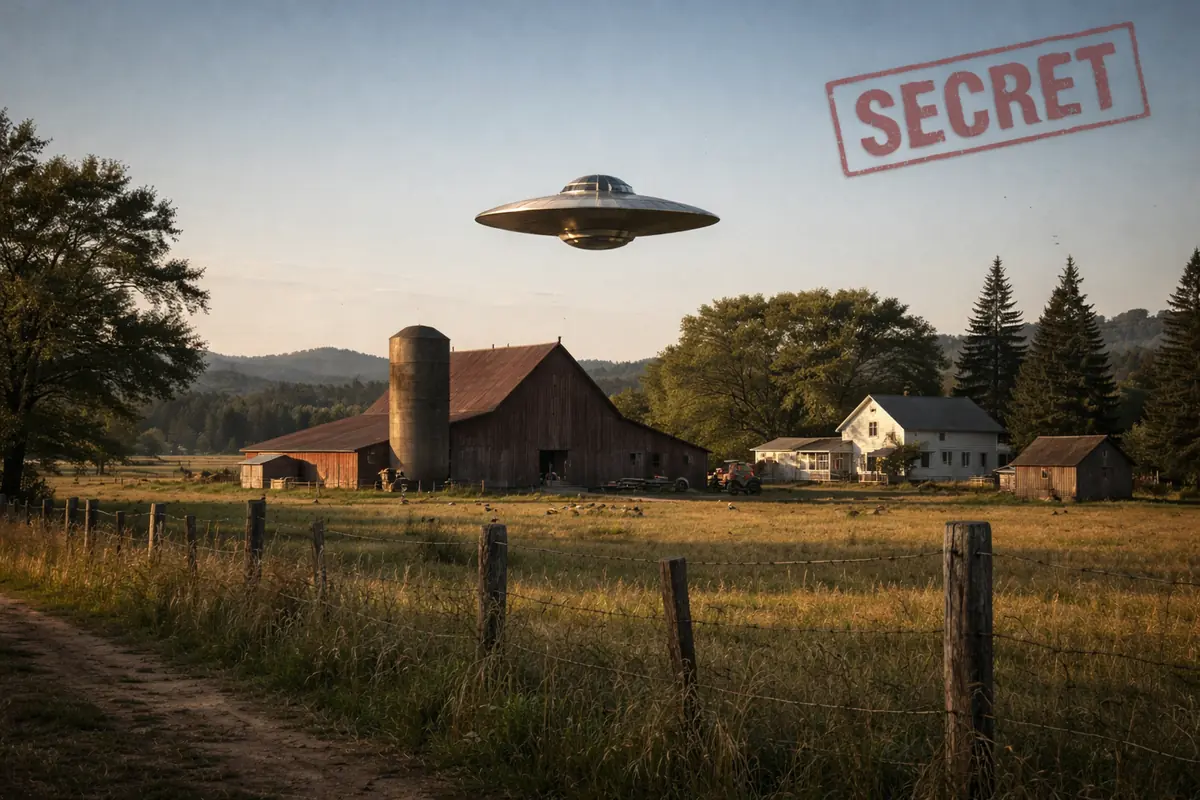
McMinnville UFO Photographs
United States
McMinnville endures because two clear photographs moved a small Oregon sighting into the center of the UFO photo debate.
1940s
1940s
3 case(s)
January 7, 1948
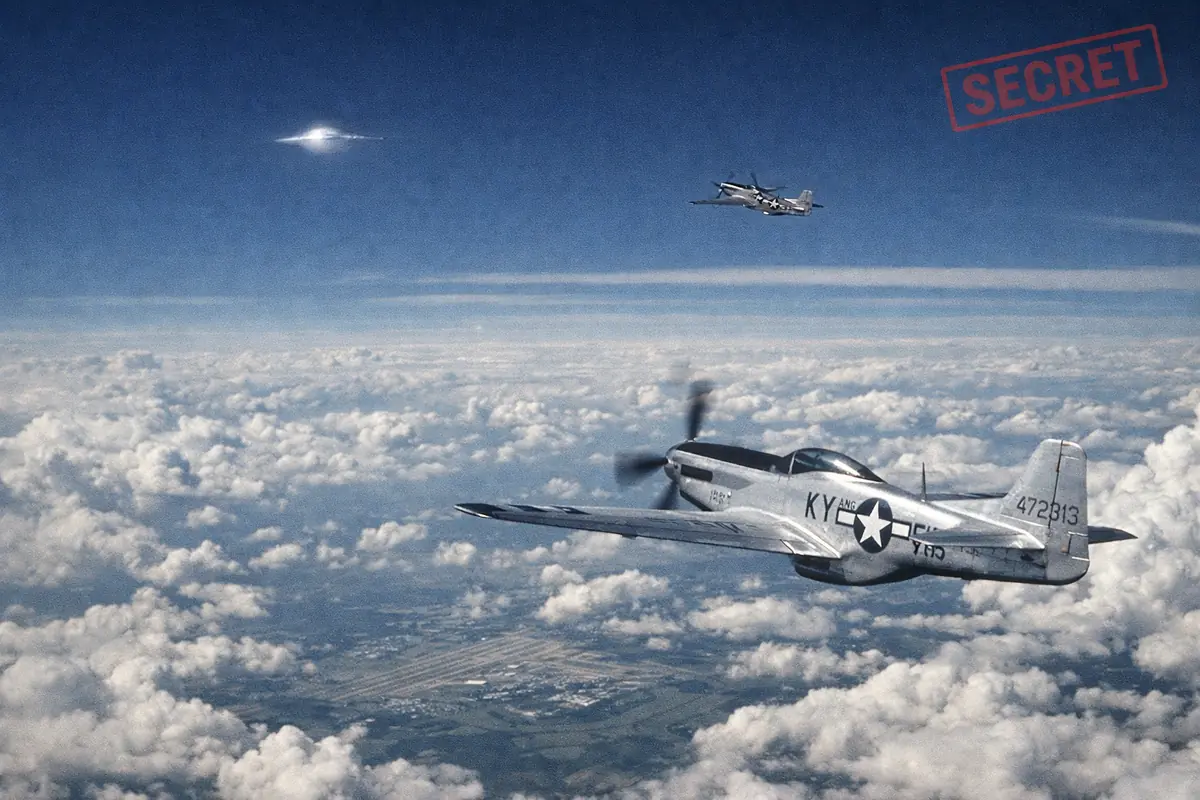
Mantell Incident
United States
The Mantell case fused the early saucer wave with a fatal military pursuit, which is why it never faded from the record.
July 8, 1947
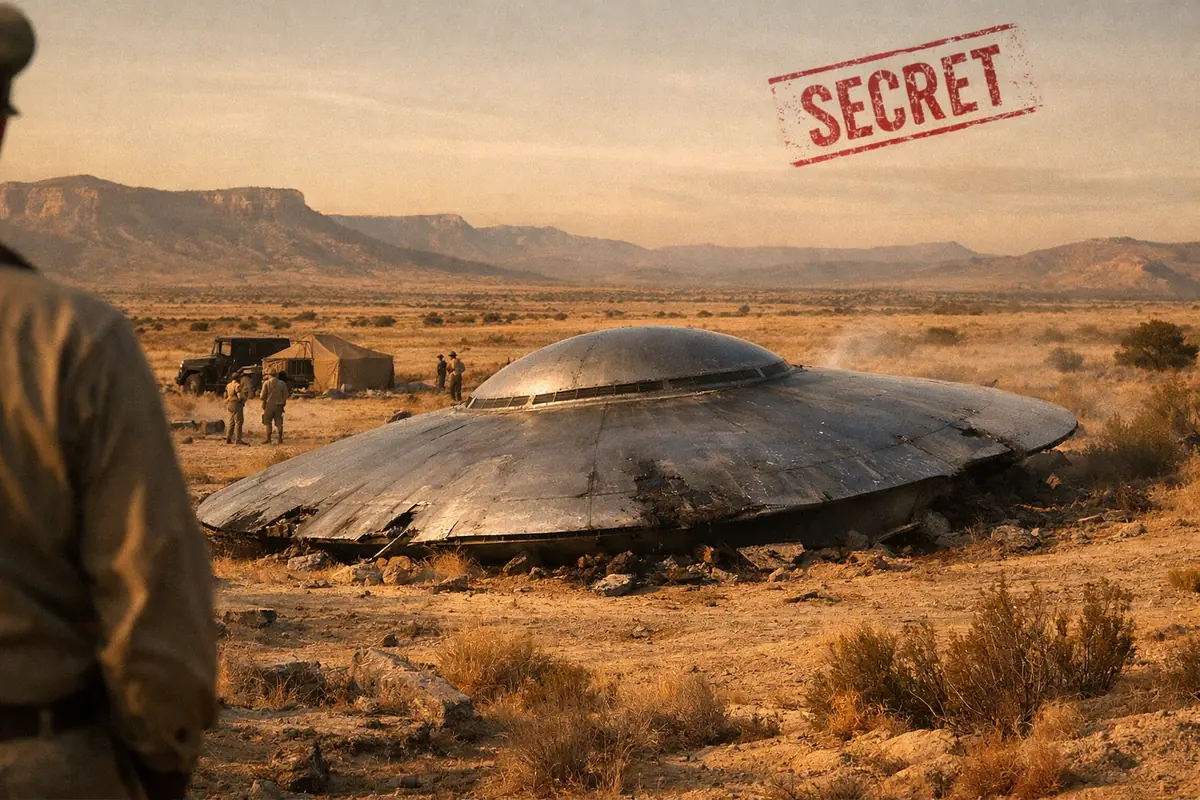
Roswell Incident
United States
Roswell entered UFO history because the Army said 'flying disc' before reversing itself within hours.
June 24, 1947
Kenneth Arnold Sighting
United States
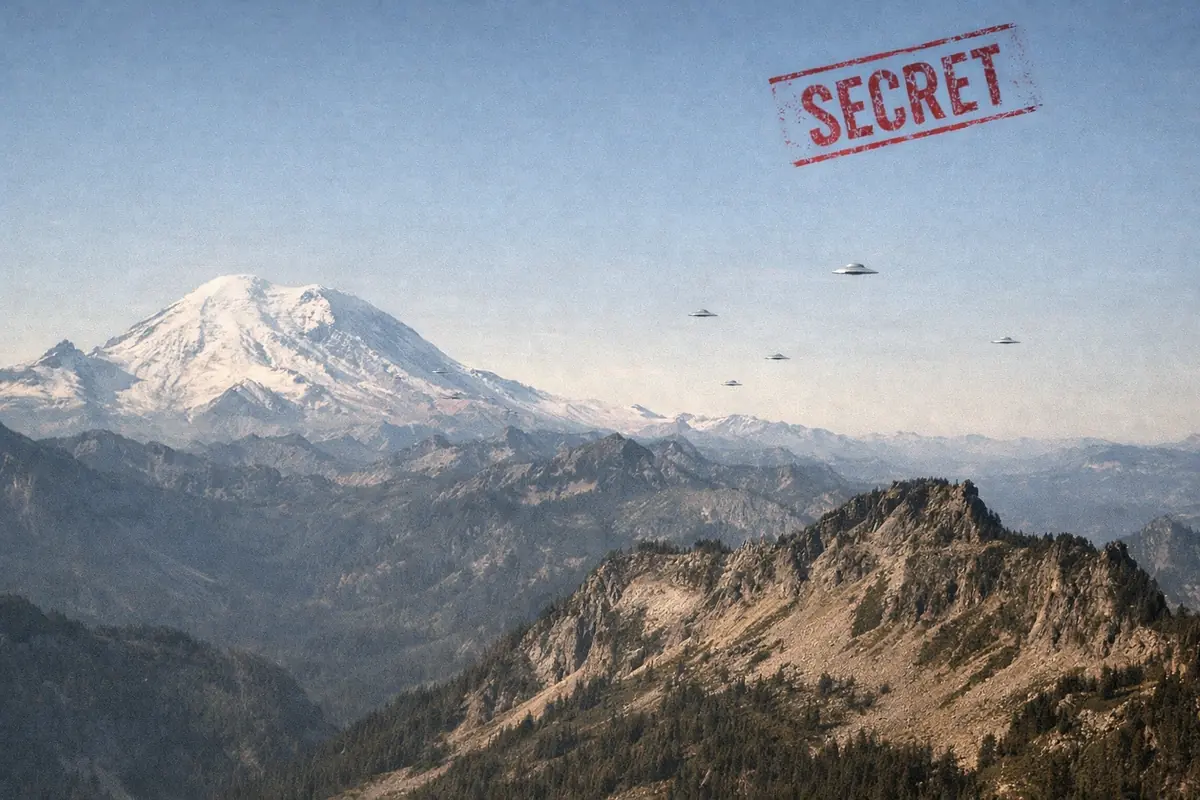
Arnold's June 1947 report mattered because it gave the postwar world the phrase flying saucer.