Case file
McMinnville UFO Photographs
May 11, 1950 · Near Sheridan / McMinnville, Oregon
On May 11, 1950, Paul Trent photographed an unusual object above his rural property after his wife Evelyn called him outside. Published locally and then reprinted nationally, the images drew decades of conflicting technical analysis.
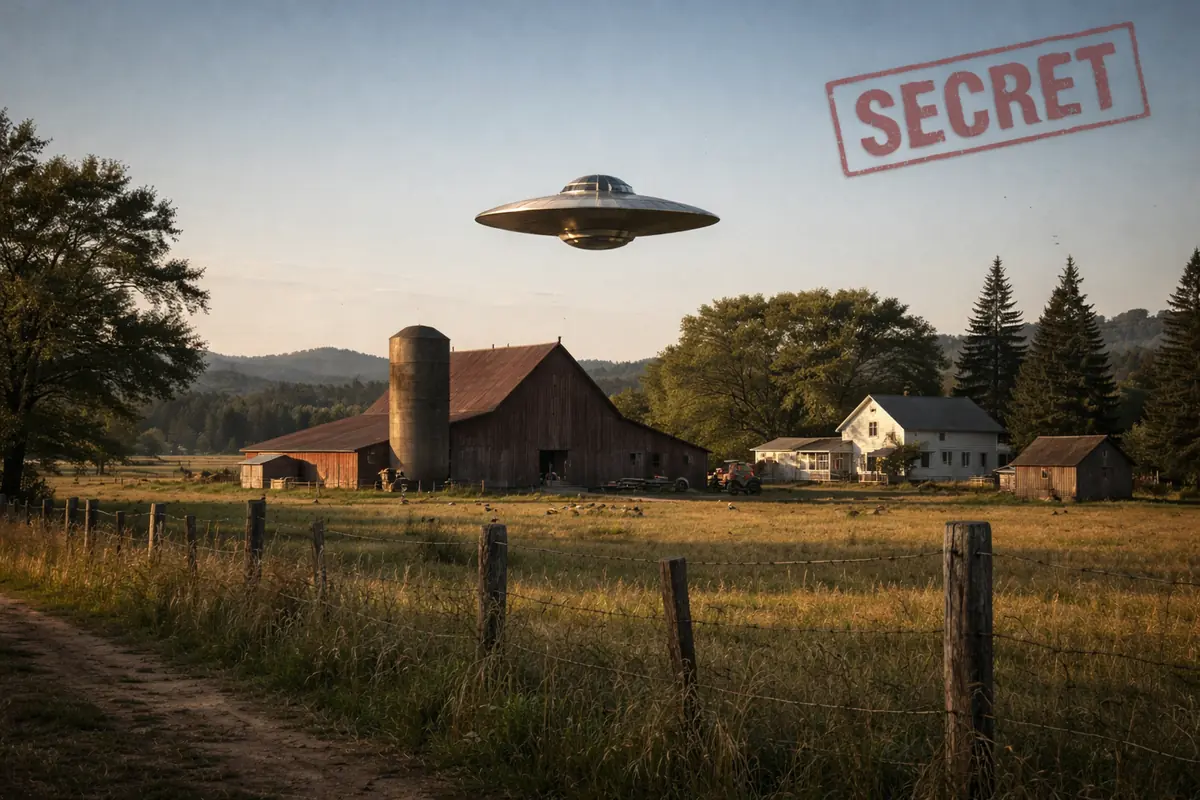
AI-generated illustration used to accompany this article.
Date
May 11, 1950
Location
Near Sheridan / McMinnville, Oregon
Country
United States
Category
Photographic case
Status
Contested
Credibility
69/100
Notoriety
88/100
Coordinates
45.103° N · 123.337° W
Reading note
Why this file still matters
McMinnville endures because two clear photographs moved a small Oregon sighting into the center of the UFO photo debate. If the images are visually simple, their technical interpretation is not.
Timeline anchors
03
Distinct hypotheses
03
Sources used
04
Long summary
Narrative
A structured reading of the file, attentive to context, witnesses and the public circulation of the case.
The McMinnville file begins on a rural property near Sheridan, not far from the Oregon town that gave the case its name. Evelyn Trent noticed an unusual object in the sky and called her husband. Paul Trent took the family camera and made two photographs within moments, from nearly the same position. The event itself was brief, but the existence of the images changed the case immediately: this was no longer only a witness report, but a visual file destined to circulate well beyond the local setting.
The photographs first appeared in the regional press and later reached a national audience, especially after publication in Life. That shift from local curiosity to national reference point fixed McMinnville in UFO history. From then on, the debate moved away from recollection alone and toward shadows, power lines, photogrammetry and the probable distance or size of the object.
What kept the case open was the lack of agreement in those technical readings. William Hartmann, writing for the Condon Report, treated the photographs as among the strongest in the corpus. Other analysts argued instead for a small suspended model or some other domestic staging.
Including the original images here does not settle the case. It lets the file be read in the way analysts have read it: by comparing positions, reference lines, the rural background and the limits of an isolated document. McMinnville still matters because it raises a hard historical question: when a photograph is clear but disputed, what exactly does it prove?
Archive document
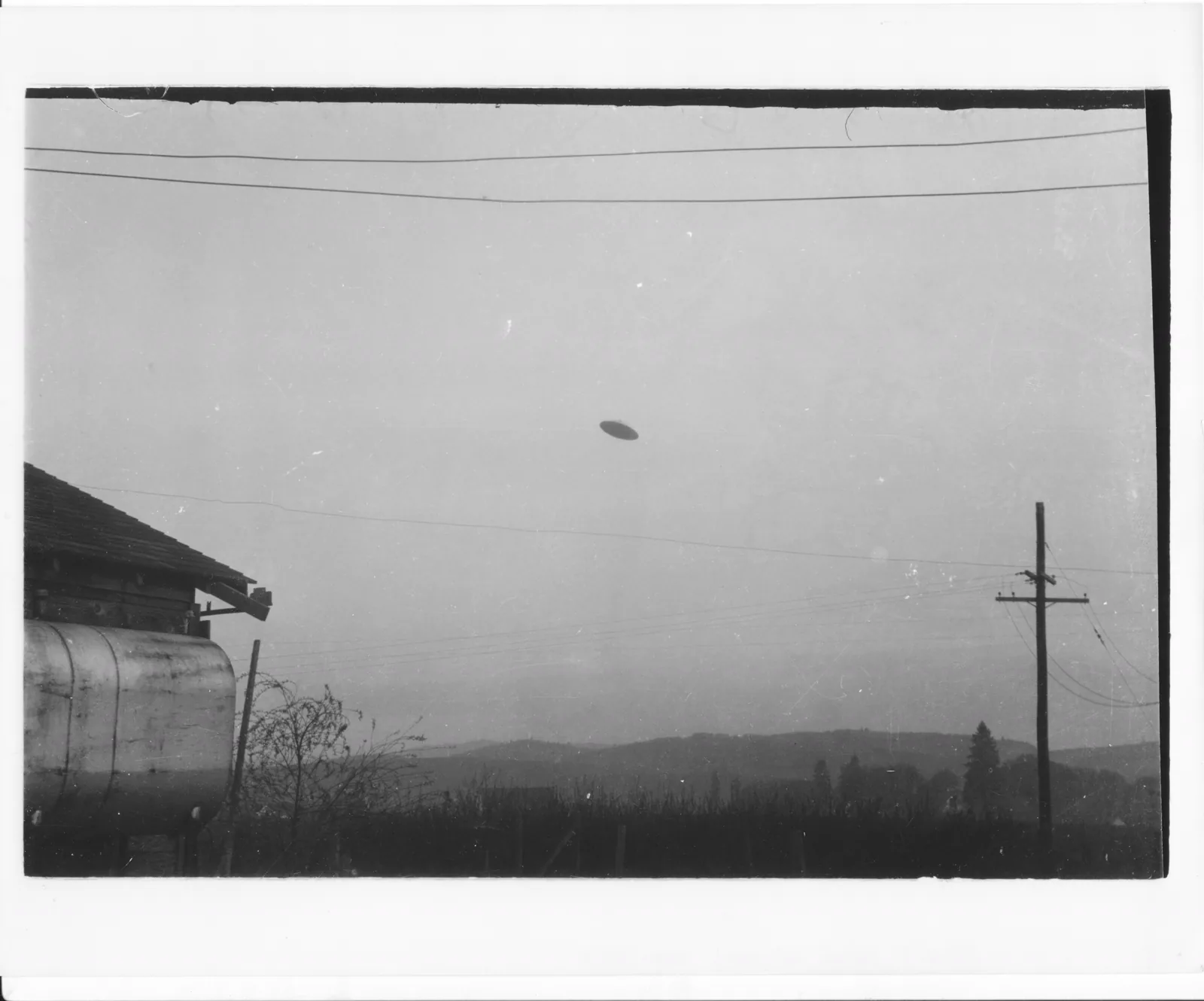
The first Trent photograph
These documentary scans put the reader back in front of the two images that made McMinnville a major photographic case. They are useful for examining the lines, apparent scale and rural setting without treating the picture as definitive proof.
Archive document
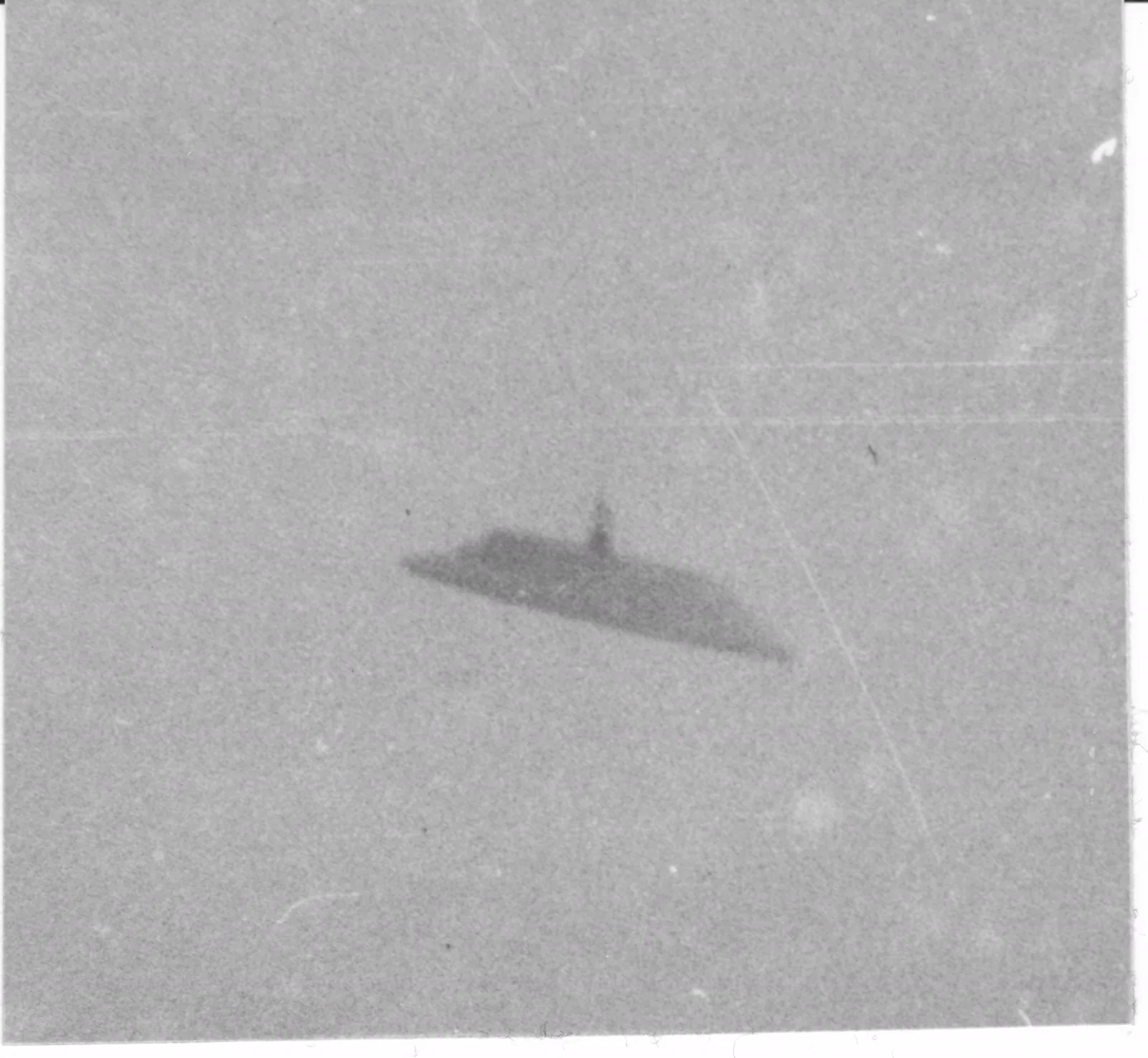
The second Trent photograph
The second image matters because it lets readers compare the object's apparent position against fixed details in the scene. That comparison is central to debate over distance, possible suspension and the consistency of the two frames.
Timeline
Sequence of events
The steps retained here prioritize historical markers and the turning points in the public narrative.
Two photographs are taken near Sheridan
Evelyn Trent spots an object and calls Paul Trent, who quickly takes two pictures from the family property.
The images move from local to national press
The photographs are published locally before becoming one of the best-known photographic files of the early flying-saucer era.
Technical reappraisals continue
Independent analysts and the Condon Report revisit the case without producing a final consensus on authenticity or object identity.
Hypotheses
Interpretive frameworks
The hypotheses remain distinct from the factual narrative. They organize possible readings without erasing the blind spots.
Likelihood medium
A real object photographed at a distance
Some technical examinations found the light and geometry compatible with an object larger and farther away than a small domestic model.
Likelihood medium
Small model or suspended setup
The best-known skeptical reading sees a small artificial object close to the camera, possibly suspended, whose photographs later acquired a disproportionate public afterlife.
Likelihood medium
A photographic interpretation that cannot be settled definitively
The condition of the negatives, the limits of reconstruction and the isolation of the two frames can also leave the file genuinely undecidable rather than solved in either direction.
Sources
Documents and references
Historical sources, reports, archives and books used to structure this file.
Condon Report, Case 46 McMinnville, Oregon
1968University of Colorado UFO Project
William K. Hartmann's analysis remains the major favorable technical reference for the Trent photographs in the Condon Report.
Oregon McMinnville-UFO Case, 1950-1983
1983American Philosophical Society
This archival entry shows how long the Trent photographs remained under discussion and how much documentation they generated.
Trent / McMinnville Photos
1950NICAP archive
Reference collection useful for tracking the main reappraisals, reproductions and controversies around the two photographs.
High-resolution Trent photograph scans
1950Wikimedia Commons / archive.org
Documentary source used here for the two historical images, listed by Commons as U.S. public-domain publication without a copyright notice.
Related cases
Cases to connect
Neighbouring affairs by country, case type, or role in the public debate.
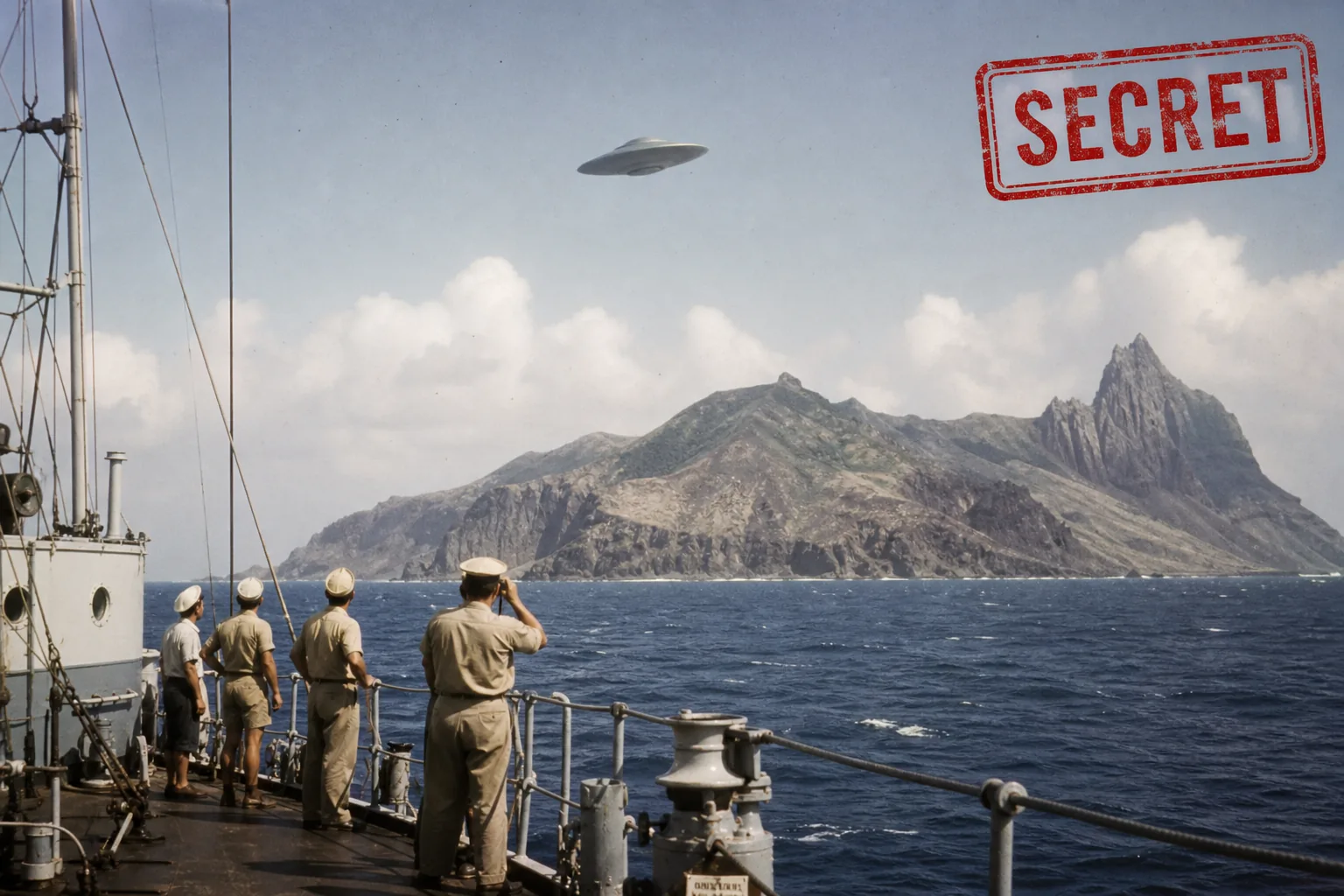
Trindade Island 1958
January 16, 1958 · Brazil
Trindade offers another classic photographic file, with a naval setting, a famous image and a lasting controversy.
Lubbock Lights
August 25, 1951 · United States
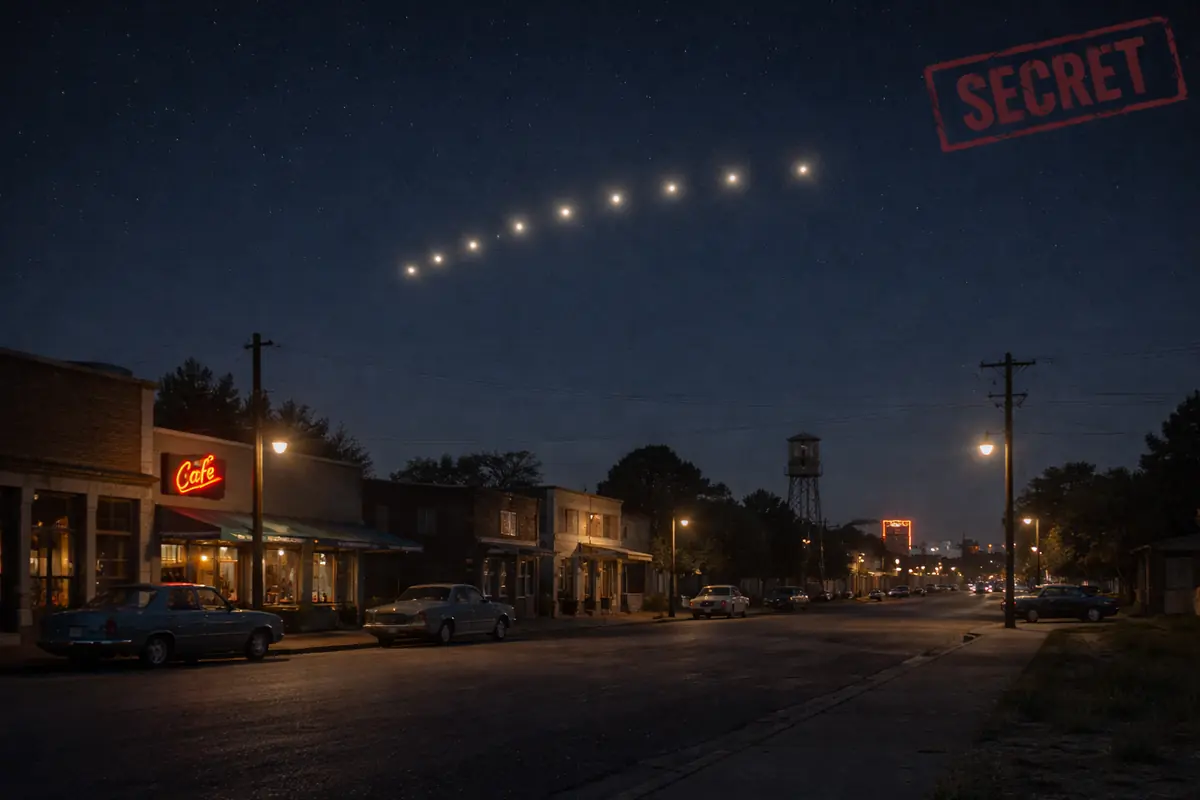
Lubbock is a useful comparison for another American case in which photographs amplified a run of night-sky reports.
Kenneth Arnold Sighting
June 24, 1947 · United States
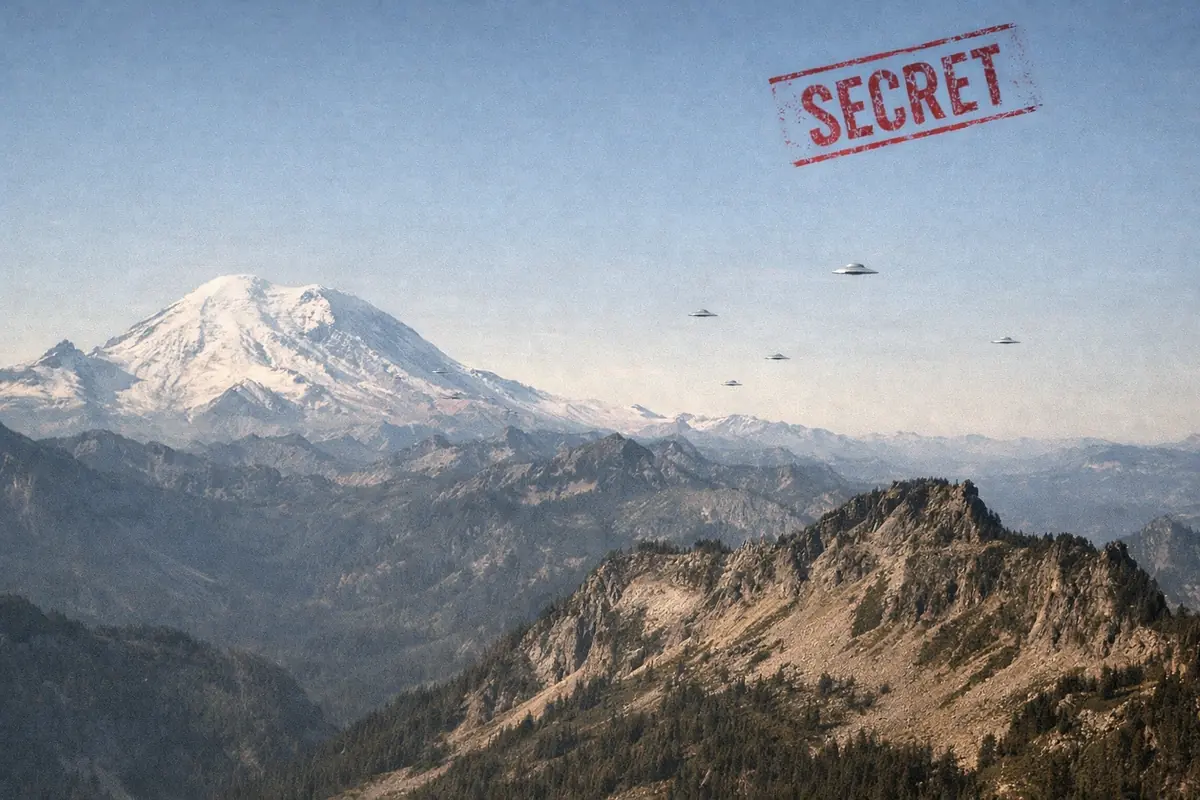
Arnold gave the postwar press its enduring vocabulary, a few years before McMinnville became a major photographic file.