Case file
Socorro / Lonnie Zamora
April 24, 1964 · Socorro, New Mexico
On April 24, 1964, Lonnie Zamora said he found in a ravine a pale metallic object, two white-clad figures and then a noisy departure accompanied by flame. The witness's reputation, the traces noted afterward and the lack of a settled explanation gave the file its exceptional standing.
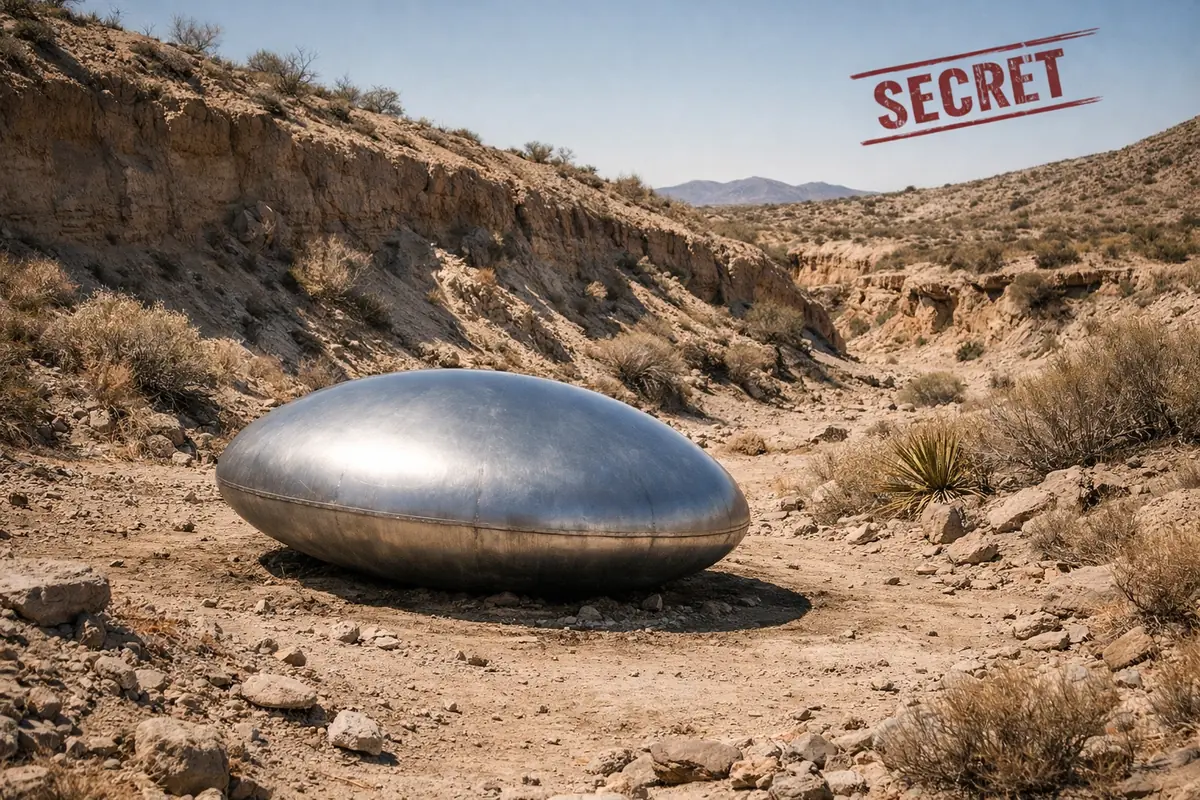
AI-generated illustration used to accompany this article.
Date
April 24, 1964
Location
Socorro, New Mexico
Country
United States
Category
Landing trace
Status
Unresolved
Credibility
83/100
Notoriety
86/100
Coordinates
34.058° N · 106.891° W
Reading note
Why this file still matters
Socorro endured because a police officer's close-range report was followed almost immediately by checks on the ground.
Timeline anchors
03
Distinct hypotheses
03
Sources used
03
Long summary
Narrative
A structured reading of the file, attentive to context, witnesses and the public circulation of the case.
Lonnie Zamora was in the middle of a police chase when a bluish light and a loud detonation pulled his attention away. Moving toward a nearby ravine, he later said he saw a pale metallic object on the ground, oval in form, with two small white-clad figures close to it. One reason the case lasts is the tone of that testimony: it is concise, direct and notably free of theatrical embellishment.
Moments later, the object was said to leave with sound and flame. Investigators recorded marks at the site and noted nearby vegetation that appeared affected. Because the witness was a police officer and because the inspection followed so quickly, the case entered official channels with an unusual degree of seriousness for an event that had occurred in such an ordinary local setting.
Socorro remains central because several elements that rarely coexist appear here in the same file: a professional witness regarded as solid, a short and stable narrative, and physical traces that were modest but not easily dismissed. Even readers inclined toward a mundane explanation usually concede that something out of the ordinary happened in that ravine.
Timeline
Sequence of events
The steps retained here prioritize historical markers and the turning points in the public narrative.
A blue light draws attention
Zamora leaves his chase and heads toward a ravine after hearing a loud report.
A metallic object and two figures are reported
He describes a pale, egg-shaped craft and two small white figures beside it.
The site is examined
Ground traces and affected vegetation are recorded and the case moves quickly into official channels.
Hypotheses
Interpretive frameworks
The hypotheses remain distinct from the factual narrative. They organize possible readings without erasing the blind spots.
Likelihood medium
Prototype or sophisticated hoax
The event may have involved a human-made device or a staged scene.
Likelihood medium
Misread ordinary event
A brief sighting under stress may have been overread as something extraordinary.
Likelihood low
Unresolved close encounter
The witness profile and ground traces keep the case open to a genuine anomaly reading.
Sources
Documents and references
Historical sources, reports, archives and books used to structure this file.
Project Blue Book file on Socorro
1964U.S. Air Force
Project Blue Book material documenting the first official handling of Zamora's report and the site inspection.
The UFO Experience
1972Book by J. Allen Hynek
Classic reference discussion of the witness, the terrain and the physical traces reported afterward.
Socorro Revisited
1981CUFOS
Later revisit summarizing what the physical evidence supports and what still remains uncertain.
Related cases
Related cases
Related cases connected by country, category or historical significance.
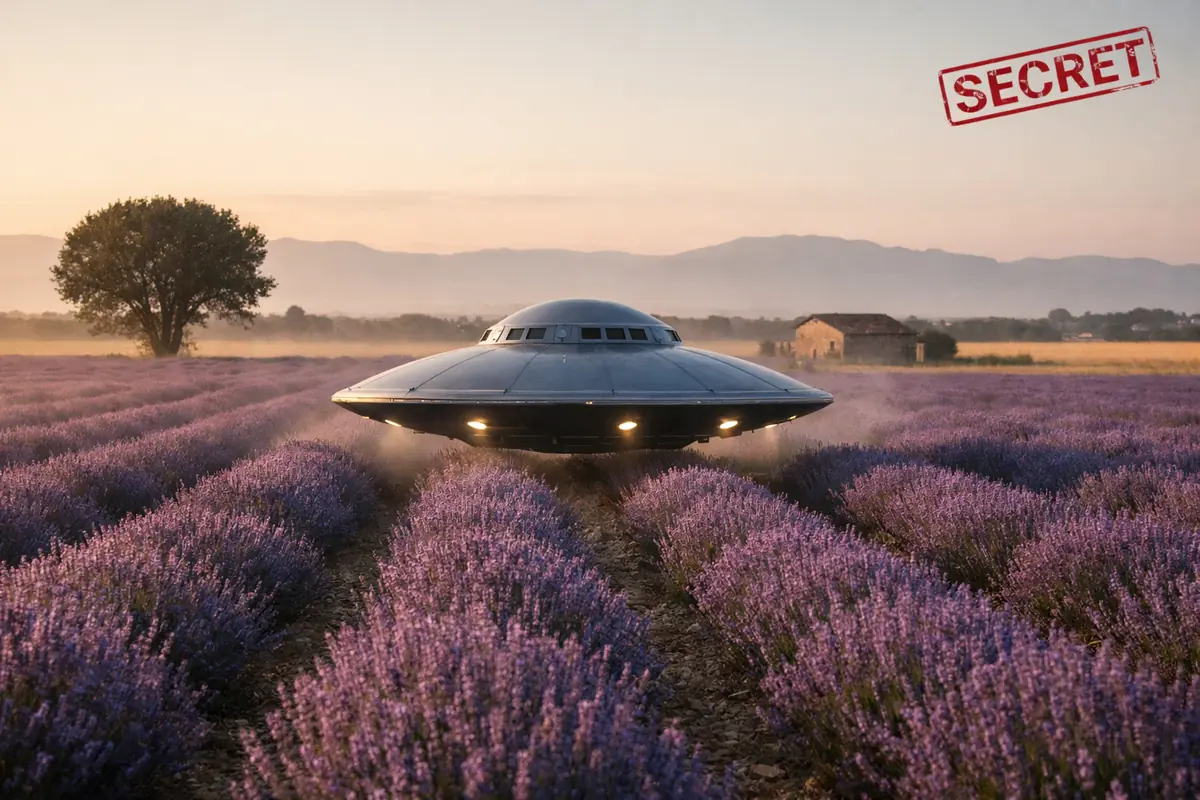
Valensole 1965
July 1, 1965 · France
Valensole became a French classic because an early-morning farm report stayed simple, stable and hard to dismiss outright.
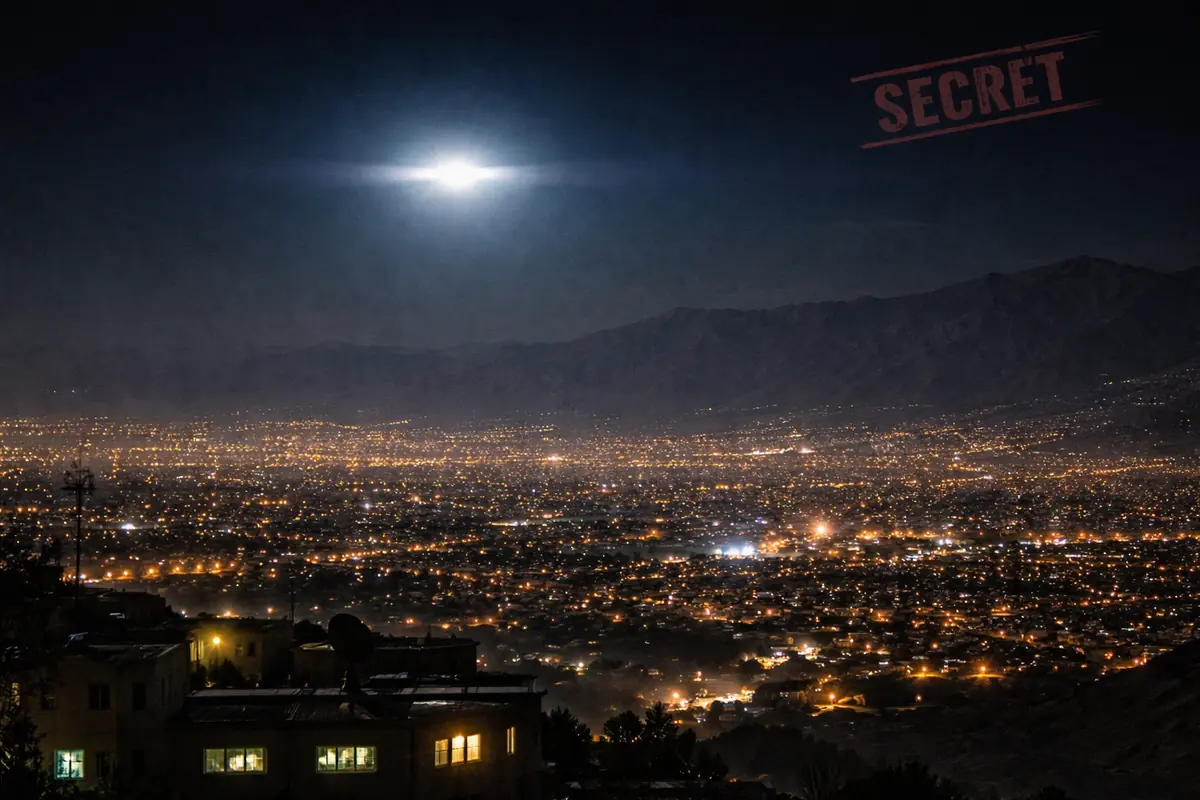
Tehran 1976
September 19, 1976 · Iran
Tehran 1976 became a military classic because civilian reports escalated into fighter intercepts and a diplomatic record.
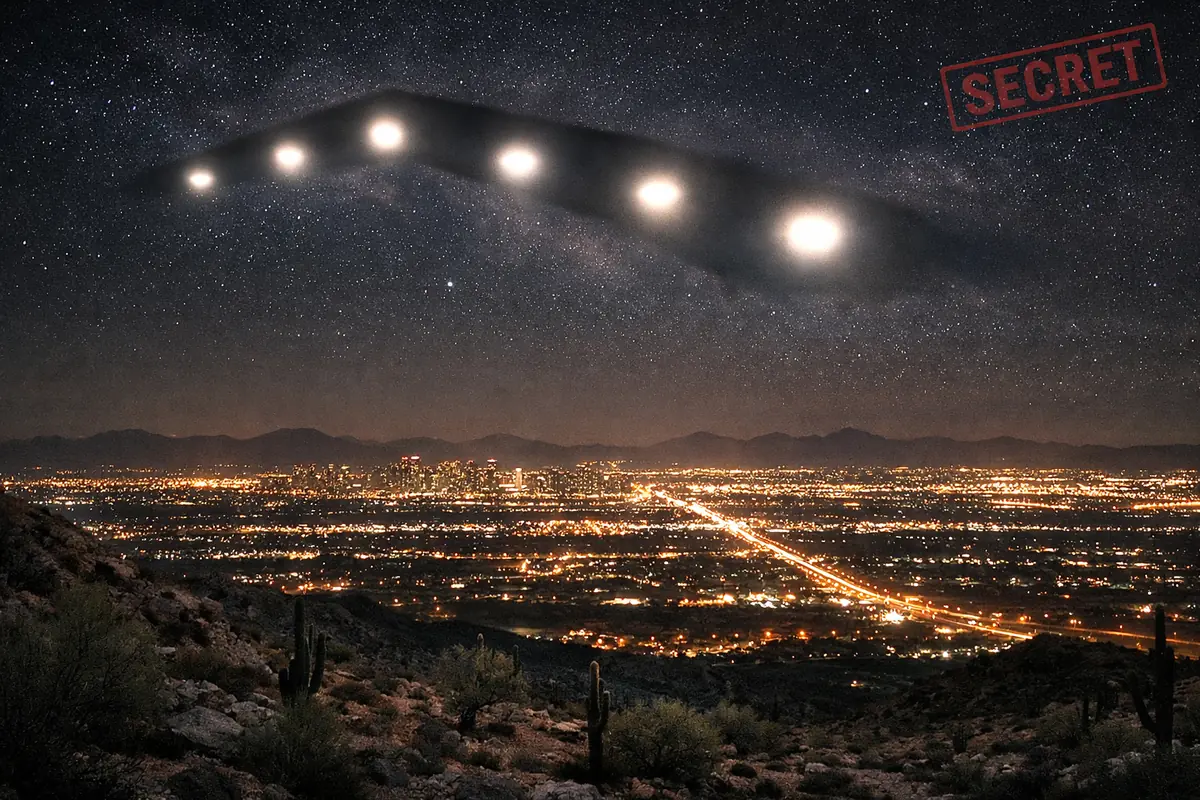
Phoenix Lights
March 13, 1997 · United States
Phoenix Lights lasted because one Arizona night seems to contain both a statewide transit and the famous stationary lights over the city.